
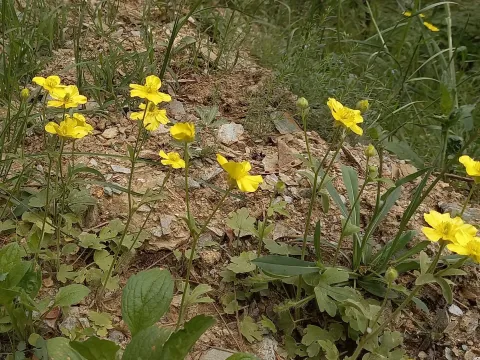
Rumelian buttercup
Ranunculus rumelicus
The Rumelian buttercup (Ranunculus rumelicus) is a perennial herbaceous plant belonging to the Ranunculaceae family. Its natural habitat is primarily concentrated in the Balkan Peninsula and certain regions of Turkey, where it has evolved in Mediterranean and continental climate zones.
What the section contains
Rumelian buttercup
The species requires well-draining soil and plenty of direct sunlight to thrive. It performs best in neutral to slightly alkaline, loose soils, which prevent the root system from developing rot. Poor drainage is the most significant factor that negatively impacts plant health and overall vigor.
Climate requirements for this culture are specific: it prefers cool to mild temperatures during its active vegetative growth phase in early spring. During the mid-summer period, the plant often enters a state of dormancy, which is a natural biological adaptation to heat and lack of moisture.
Agronomic practices for this species focus on providing adequate aeration and moisture management. Regular cultivation between rows is recommended to minimize competition from weeds and to keep the soil structure loose. Careful fertilization is suggested, avoiding excessive nitrogen that promotes leaf growth at the expense of rooting.
From a commercial perspective, the plant is primarily used in landscaping and ornamental horticulture. Its unique growth habit and seasonal flowers make it a valued addition to dry gardens or specialized botanical collections, with ongoing research regarding its biochemical profile for industrial or medical potential.
The main disease risks include powdery mildew and root rot caused by stagnant moisture. Effective management involves strict adherence to irrigation schedules and ensuring that the planting site has optimal topography to prevent water accumulation during rain events.
Pest management focuses on controlling leaf-eating insects and mites. Regular monitoring during the active growth period is essential for early detection. The use of systemic insecticides is sometimes necessary if pest populations exceed the economic injury level for the crop.