
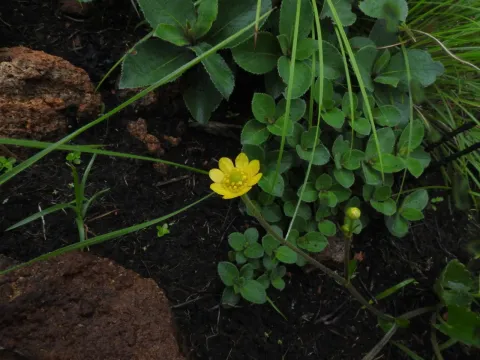
Kidney-leaved buttercup
Ranunculus reniformis
The kidney-leaved buttercup (Ranunculus reniformis) is a herbaceous perennial belonging to the Ranunculaceae family. It is recognized for its unique kidney-shaped foliage and specialized adaptation to moist environmental conditions, making it an interesting subject for specialized botanical and agricultural cultivation.
What the section contains
Kidney-leaved buttercup
The native range of this species typically includes riparian zones, wet meadows, and low-lying areas where groundwater levels remain consistently high. Understanding these ecological preferences is essential for successful cultivation, as the plant demands stable soil moisture to maintain its vigor.
Soil requirements focus on high organic matter content, which helps in moisture retention while ensuring adequate nutrient availability. While the plant can tolerate varying pH levels, it performs best in neutral to slightly acidic soils that allow for healthy root development and biomass production.
Climate conditions should be temperate, with a focus on avoiding extreme desiccation. The plant thrives in environments characterized by moderate temperatures and consistent atmospheric humidity, which prevents physiological stress and promotes the structural integrity of its leaves and stems.
In terms of хозяйственное (economic) use, the kidney-leaved buttercup is highly regarded in the ornamental and landscape restoration sectors. It is effectively employed for bio-engineering purposes, particularly in stabilizing wet soil embankments and enhancing the biodiversity of riparian landscape projects.
Fungal pathogens such as powdery mildew represent the primary biological threat to the kidney-leaved buttercup, especially when planting density is too high. Improving airflow and maintaining optimal spacing between plants are the most effective cultural practices to mitigate these risks.
Pests including aphids and spider mites can cause significant foliage damage if left unchecked. Integrated pest management strategies, focusing on regular scouting and biological control agents, help maintain healthy plant populations without disrupting the local ecosystem.
Root rot is a common issue linked to poor drainage or prolonged periods of water stagnation in the root zone. Ensuring that the soil structure allows for slight water movement is critical for preventing the decay of the root system and supporting long-term plant survival.
Bacterial leaf spot may occur under conditions of excessive humidity coupled with high nitrogen levels, which promote succulent but vulnerable tissue growth. Balanced nutrient management is necessary to keep the plant's natural defense mechanisms fully functional throughout the growing season.
Proper sanitation is the foundation of disease management for this species. Removing and disposing of infected leaf debris at the end of the season reduces the pathogen load, significantly decreasing the likelihood of recurring infection cycles in the following agricultural cycle.