
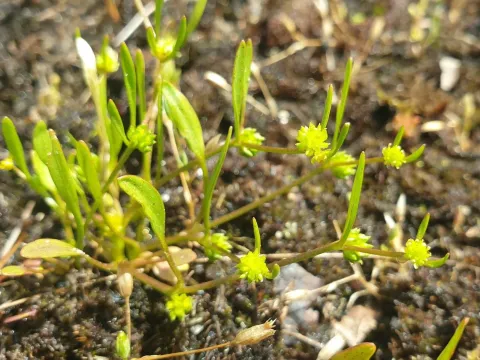
Knotted buttercup
Ranunculus nodiflorus
Knotted buttercup (Ranunculus nodiflorus) is a herbaceous plant belonging to the Ranunculaceae family. It is distinct for its specific physiological structure, featuring nodular thickenings along its stems, which contributes to its unique appearance and classification.
What the section contains
Knotted buttercup
The plant originates from marshy habitats, floodplains, and areas adjacent to freshwater sources. It is highly adapted to semi-aquatic environments where moisture availability remains constant throughout the growing season, reflecting its evolutionary preference for damp soils.
Regarding soil requirements, this species thrives in rich, heavy soils such as clay or silty loam. These soil types provide the necessary water retention capacity that supports the plant's metabolic processes and steady growth patterns.
In terms of climate, the Knotted buttercup prefers temperate conditions with reliable precipitation. It is relatively resilient to cool temperatures but shows very little tolerance for extended drought periods, which can quickly lead to plant dehydration and death.
From a utilization standpoint, it is important to note that the plant is not suitable for livestock grazing due to the presence of protoanemonin. It is primarily observed in botanical gardens or as part of wetland conservation efforts rather than being used for agricultural production.
Like many species in the genus Ranunculus, this plant can be susceptible to powdery mildew, particularly when airflow is restricted. Proper spacing and location selection are essential to mitigate the risk of fungal infections occurring during humid periods.
Common pests include aphids and certain types of beetles that target the foliage. While the plant's chemical defenses often deter larger herbivores, these smaller insects can still cause significant aesthetic and physiological damage if left uncontrolled.
Root rot is a major threat in cases where water drainage is insufficient. Although the plant loves moisture, stagnant water combined with high temperatures can create a perfect environment for soil-borne pathogens that attack the root system.
Viruses transmitted by insect vectors can occasionally occur. Symptoms often include stunted growth and leaf discoloration. Removing and destroying affected plants is the standard practice to prevent further spread within the population.
Competition from invasive plant species can also suppress the growth of the Knotted buttercup. Since it is often found in vulnerable ecosystems, maintaining a clean environment free of aggressive weeds is crucial for its survival and long-term health.