
Japanese monkshood
Aconitum japonicum
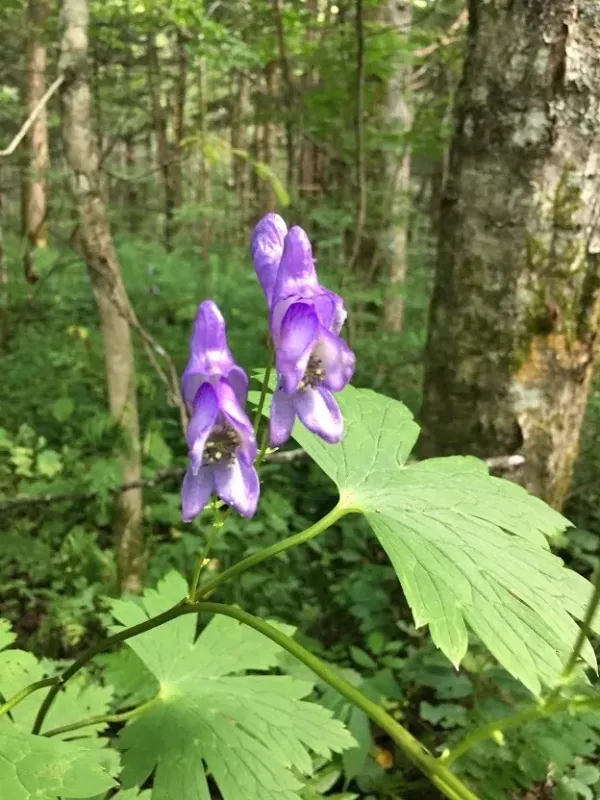
Description
Sowing dates
Sowing seeds of Aconitum japonicum is best performed in late autumn to allow for natural stratification, which is essential for successful germination in the spring.
When opting for spring sowing, seeds must undergo cold stratification at temperatures ranging from 0 to +5 degrees Celsius for approximately two to three months.
Vegetative propagation via division of rhizomes is the most reliable method for maintaining the desired characteristics and vigor of the cultivar.
Rhizomes should be planted at a depth of 10–15 cm, ensuring a spacing of 30–40 cm between individual plants to promote healthy root expansion.
As a member of the Ranunculaceae family, the plant is highly toxic; therefore, always wear gloves when handling seeds, rhizomes, or any part of the plant.
Growing requirements
Japanese monkshood thrives in partial shade, preferring areas that are protected from intense afternoon sun to prevent dehydration and foliage burn.
The plant requires well-drained, nutrient-rich, loamy soil with a neutral to slightly acidic pH, avoiding areas prone to waterlogging.
Regular moisture is crucial for the plant's development, especially during the peak of summer and the flowering phase, to ensure uniform growth.
The application of compost or well-rotted organic matter annually provides necessary nutrients and helps maintain the soil's moisture-holding capacity.
This species is quite hardy and adapts well to temperate climates, showing excellent winter endurance without the need for additional protective covering.
Main diseases and pests
Due to the high concentration of alkaloids, Japanese monkshood is rarely damaged by typical pests, though occasional aphids may be observed on young shoots.
Fungal diseases, particularly powdery mildew, can occur if the plant is grown in poorly ventilated areas or exposed to high humidity for extended periods.
Root rot is the most serious threat, usually caused by poor drainage or excessive watering, leading to the rapid decay of the root system.
To maintain plant health, it is essential to ensure proper spacing to facilitate air circulation and prevent the development of fungal pathogens.
If symptoms of disease appear, affected areas should be pruned and destroyed immediately, and appropriate fungicides should be applied as a curative measure.
Harvesting
Harvesting for pharmaceutical or research purposes requires strict adherence to safety protocols given the toxic nature of the alkaloid compounds present.
Rhizomes are typically harvested in late autumn after the foliage has died back, which is when the active components are most concentrated in the roots.
After cleaning the roots, they should be dried in a controlled environment at temperatures below 50 degrees Celsius to preserve their chemical integrity.
The aerial parts of the plant are collected during the height of the flowering period, ensuring that harvesting tools are handled with extreme caution.
Post-harvest hygiene is mandatory: all work clothes and tools must be thoroughly cleaned to prevent accidental contact with plant toxins.