
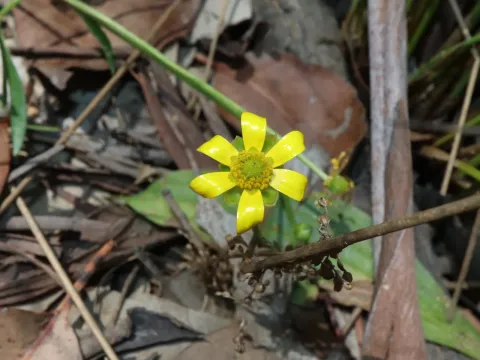
Ranunculus papulentus
Ranunculus papulentus
Ranunculus papulentus is a perennial herb belonging to the Ranunculaceae family, typically found in wetland habitats and moist lowland areas.
What the section contains
Ranunculus papulentus
Cultivation usually begins with seeds that require a period of cold stratification to break dormancy, ensuring a high germination rate in the spring.
Sowing in professional nursery settings is often performed in late winter, using well-draining seed-starting mix maintained at 15–18 degrees Celsius.
When sowing outdoors, seeds should be covered lightly with soil, as they require ambient light levels to initiate germination successfully.
Maintaining consistent moisture in the seedbed is crucial during the first weeks of development, as young seedlings are sensitive to desiccation.
The plant thrives in sites with high soil moisture, making it an ideal choice for rain gardens or areas with poor natural drainage where other species struggle.
It prefers full sun to partial shade, which promotes healthy foliage development and encourages long-lasting flower production throughout the season.
Optimal soil conditions include fertile, humus-rich substrates with a near-neutral pH balance to ensure maximum nutrient uptake.
Consistent irrigation is required, as the root system of Ranunculus papulentus lacks significant drought resistance and requires stable moisture levels.
In colder climates, applying organic mulch before the onset of winter helps protect the plant's basal crown from freeze-thaw damage.
As an ornamental crop, the productivity of this species is measured by the quality and quantity of flower stems produced per plant unit.
Well-established clumps can produce a prolific display of blossoms, provided that environmental stressors such as heat and moisture deficits are managed.
High-density planting, aiming for 12–16 plants per square meter, is generally recommended for achieving a significant visual impact in commercial landscapes.
Regular division of the rhizomes every few years helps rejuvenate the plants, ensuring that they maintain their vigor and flowering potential over time.
Balanced NPK fertilizers applied during the early growth phase can significantly boost the number of buds formed on each mature specimen.
Common pests affecting this species include aphids and spider mites, which tend to proliferate rapidly during periods of low humidity and high heat.
Fungal issues, such as powdery mildew, can occur in poorly ventilated areas, necessitating proper spacing between individual plants.
Cultural management, including the removal of dead leaf debris, is the primary method for reducing the inoculum density of common pathogens.
If chemical interventions become necessary, it is essential to select systemic products that specifically target the identified pest without harming pollinators.
Due to the presence of protoanemonin and other compounds, the plant is naturally resistant to many herbivores, which reduces common garden pest pressure.
Harvesting flower stems for decorative use should occur during the morning hours, ensuring the plant tissues are fully turgid before cutting.
Clean, sharp tools must be used for pruning to prevent tearing the plant tissue, which could create entry points for secondary bacterial infections.
For seed production, selected flower heads are left on the plant until they become dark and brittle, indicating that the seeds have reached maturity.
Once harvested, seeds should be thoroughly cleaned and stored in a cool, dry environment to maintain their viability until the following sowing season.
At the end of the growing cycle, the foliage should be cut back to just above the soil level to facilitate the plant's entry into winter dormancy.