
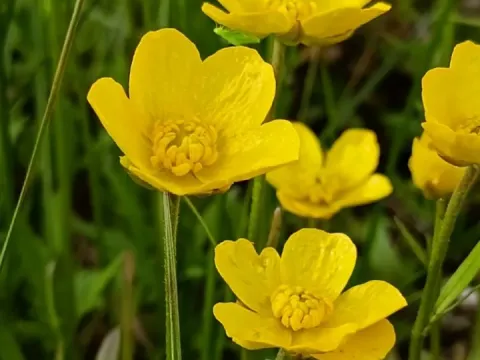
Ranunculus pedatus
Ranunculus pedatus
Ranunculus pedatus, commonly known as a type of buttercup, is a perennial herbaceous plant belonging to the Ranunculaceae family. In its natural habitat, the plant propagates through seeds and vegetative division, demonstrating significant resilience to various environmental conditions.
What the section contains
Ranunculus pedatus
When cultivating in agricultural or nursery settings, seeds should be sown in the autumn to ensure proper natural stratification during the winter months. This process is critical for achieving uniform germination and robust seedling development in the spring.
The sowing depth should be maintained at approximately 0.5 centimeters, as the small seeds are highly sensitive to soil compaction and insufficient aeration. Proper seed-to-soil contact is essential for maintaining consistent moisture levels during the germination period.
Spacing between plants should be approximately 20 centimeters to allow for optimal air circulation, which prevents the development of fungal infections within the dense foliage. Proper row management is key to successful crop establishment.
Early care includes manual weeding and gentle cultivation of the topsoil to prevent crust formation. Regular monitoring during the first weeks post-germination is necessary to ensure the seedlings are not overwhelmed by faster-growing weeds.
The crop thrives in well-drained, loam-based soils with a neutral or slightly acidic pH level. It is essential to avoid sites prone to waterlogging, as the root system of Ranunculus pedatus is susceptible to anaerobic conditions caused by stagnant water.
Sunlight exposure is a major requirement for this species, as it is a light-demanding plant. While it prefers full sun, in extremely hot climates, partial afternoon shade can help preserve plant health and moisture levels in the soil.
The plant demonstrates a strong preference for moderate temperatures and is well-adapted to cooler spring conditions. Adequate moisture is crucial during the active growth phase, though the plant can handle short periods of drought once fully established.
Fertilization should be applied carefully, emphasizing balanced NPK formulations. Over-fertilization, especially with nitrogen, can lead to excessive foliage growth and a reduction in flower production, which is undesirable for commercial yield purposes.
Managing soil structure through the addition of organic matter, such as compost or well-rotted manure, improves water retention and nutrient availability. This creates a favorable environment for the root system to expand and strengthen.
Fungal pathogens such as powdery mildew represent a primary threat, particularly in humid or stagnant air environments. Preventive measures include ensuring good spacing and selecting sites with adequate natural wind exposure to keep the foliage dry.
Insect pests, including aphids and mites, can occasionally colonize the plants, affecting their overall vigor. Integrated pest management, focusing on biological controls and periodic scouting, is recommended to minimize chemical usage.
Root rot is often the result of poor drainage or overwatering. By carefully controlling irrigation and using elevated beds in heavy soils, farmers can significantly reduce the risk of plant loss due to soil-borne pathogens.
Proper field sanitation is essential to prevent the spread of diseases. Removing and destroying affected plant debris at the end of the growing season helps to reduce the inoculum load for the following year.
Using certified, disease-free seed material is the first step in managing potential threats. Regular inspection of the crop during the vegetative stage allows for early intervention, keeping the plants healthy and productive.