
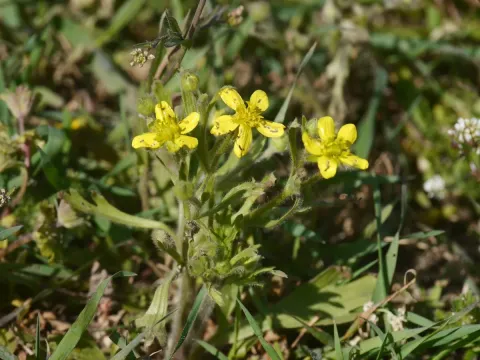
Ranunculus oxyspermus
Ranunculus oxyspermus
Ranunculus oxyspermus is a member of the Ranunculaceae family. It is a perennial herbaceous plant typically found in alpine regions or mountain meadows, characterized by specific physiological adaptations to harsh climates.
What the section contains
Ranunculus oxyspermus
In agricultural practice, this plant is not categorized as a commercial crop. It is often studied by agronomists as a common weed or a potential toxic component of natural pastures that needs to be managed for livestock safety.
The plant thrives in well-drained soils with a preference for moderate moisture levels. It has evolved to withstand significant temperature fluctuations, which is common in high-altitude habitats.
Optimal growth requires high light intensity. While it can survive in partial shade, exposure to direct sunlight is essential for the plant to achieve its full potential in size and reproductive output.
Agronomic management of this species is usually focused on control measures. In fields where it poses a risk to forage quality, mechanical removal or herbicide application is the standard practice.
Environmental pressures, such as overgrazing or land transformation, pose a significant threat to the natural distribution and growth of this specific buttercup species.
Fungal pathogens like powdery mildew represent a common threat to the plant's health, particularly when atmospheric humidity levels remain persistently high during the growing season.
Pests such as aphids and leaf-eating beetles often target the foliage of Ranunculus species. These insects can reduce the overall vigor and reproductive capacity of the plant over time.
Root rot, induced by waterlogged soil conditions, can severely compromise the plant's vascular system, leading to systemic decline or localized die-off within the meadow population.
Viral infections can also affect the plant, manifesting as mosaic patterns on the leaves and stunted development, which interferes with the plant's seasonal cycle and survival capabilities.