
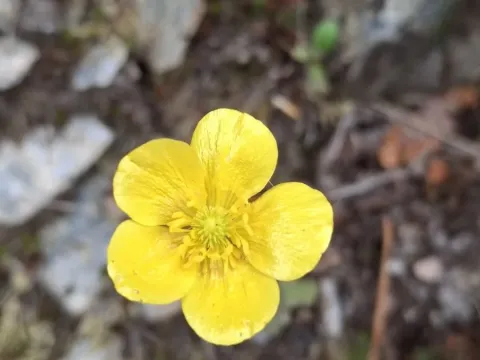
Ranunculus nigrescens
Ranunculus nigrescens
Ranunculus nigrescens is a perennial herbaceous plant belonging to the Ranunculaceae family. It is distinct due to its botanical characteristics, which often include dark-pigmented foliage or bracts, adapting it to the specific light conditions of its high-altitude native range.
What the section contains
Ranunculus nigrescens
The plant originates from mountain ecosystems where it thrives in well-drained, nutrient-rich soils. It has evolved to survive harsh winter conditions and requires a growing environment that mimics its natural cool, moisture-retentive habitat to remain vigorous.
Successful cultivation necessitates a location with consistent moisture and protection from intense mid-summer heat. Unlike some common buttercup varieties, this species is less tolerant of drought and requires high humidity levels to prevent dehydration of the leaf tissues.
Soil requirements focus on excellent aeration. Growers typically use a substrate mixture incorporating perlite or fine gravel to ensure that water does not accumulate around the crown, which is essential for preserving the plant's health during dormancy.
The primary use of Ranunculus nigrescens is ornamental within specialized rock gardens or alpine collections. It is not considered a crop plant for agriculture due to the toxic compounds present in the plant tissue, which act as a deterrent to herbivores.
The main threats to the health of this species involve fungal pathogens such as powdery mildew and root rot. These are frequently triggered by high humidity levels combined with poor air circulation around the base of the plant.
Pests that pose a significant risk include aphids, spider mites, and slugs. Aphids tend to congregate on the developing flower buds, draining the plant of vital nutrients and potentially transmitting viral diseases in the process.
Effective management involves maintaining a clean garden environment and preventing overcrowding. Reducing moisture levels during the peak of summer is a key strategy for inhibiting the germination of fungal spores on the leaves.
Regular monitoring of the foliage is necessary to detect early signs of pest activity. If biological control methods fail, localized application of selective insecticides or fungicides may be required to protect the specimen.
It is important to emphasize that due to the potential toxicity of the sap, all manual care and pruning should be performed using protective gloves to avoid skin irritation. Always dispose of infected material away from the compost pile.