
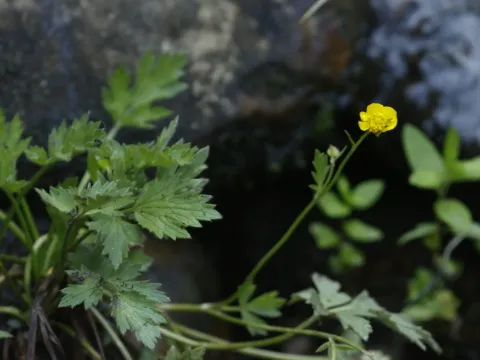
Ranunculus multifidus
Ranunculus multifidus
Ranunculus multifidus belongs to the Ranunculaceae family and is recognized for its unique botanical profile. Originating from Africa, this species has adapted to diverse wetland environments, establishing itself as a hardy perennial.
What the section contains
Ranunculus multifidus
The plant thrives in moist, fertile soils. Agronomic success depends on maintaining adequate soil moisture levels, as the plant exhibits low tolerance for drought-prone substrates during its peak growth stages.
Climatic requirements are centered on temperature consistency. In its natural range, the plant flourishes in temperate to subtropical zones, requiring protection from extreme frost during the winter period.
Management practices involve regular soil conditioning and the addition of organic matter to maintain structural integrity. Well-draining yet moisture-retentive soils are the gold standard for optimal crop development.
Spacing and planting density should be optimized based on soil fertility. Proper air circulation between plants is essential to maintain plant health and encourage uniform development across the entire field.
Fungal pathogens represent the primary threat to Ranunculus multifidus crops. Conditions of high humidity and poor ventilation often lead to the rapid development of powdery mildew and leaf spots.
Root rot, driven by stagnant water in the rhizosphere, is a critical issue. Agronomists must ensure that field sites provide efficient drainage to prevent waterlogging, especially in clay-heavy soil conditions.
Pest pressures primarily come from sap-sucking insects like aphids, which can stunt plant growth and reduce overall vigor. Infestations often coincide with periods of rapid spring growth.
Slugs and snails can cause significant damage to young seedlings. Integrated pest management strategies, including barriers and organic deterrents, are highly recommended for effective control.
Regular scouting is mandatory to detect issues early. By identifying symptoms of disease or pest activity at the onset, growers can minimize losses and ensure the longevity of their plantations.