
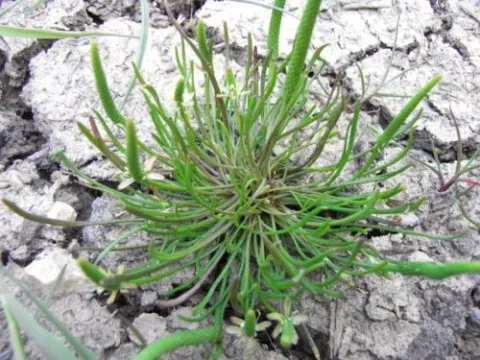
Mouse-tail buttercup
Ranunculus myosuroides
The mouse-tail buttercup (Ranunculus myosuroides) is a perennial plant belonging to the Ranunculaceae family. It is recognized for its unique botanical structure, which is adapted to high-moisture environments.
What the section contains
Mouse-tail buttercup
Originating from mountain regions, this plant thrives in areas where soil moisture remains high throughout the growing season, making it a distinctive species in its natural habitat.
For optimal development, the soil should be rich in organic matter and well-draining. While it favors moisture, stagnant water can damage the root system, so proper soil structure is essential.
Climatic requirements involve cool to moderate temperatures. It does not perform well under intense heat or arid conditions, which often lead to premature plant dormancy.
Agronomic practices focus on soil preparation, including plowing and ensuring adequate nutrient levels, as the plant requires stable nitrogen and phosphorus availability to maintain its vigor.
Fungal diseases like powdery mildew are common, especially when planting density is too high, leading to reduced air circulation around the plants.
Root rot is a critical threat that usually occurs in poorly drained soils. It is often caused by various soil-borne pathogens that thrive in consistently damp environments.
Common pests include aphids, which feed on the sap and can lead to stunted growth if left unmanaged during the early developmental stages.
Spider mites are another significant threat in dry conditions, as they damage leaves and weaken the plant's overall photosynthesis process.
Integrated pest management strategies are recommended, including regular scouting for signs of infestation and applying biological or chemical treatments as required.