
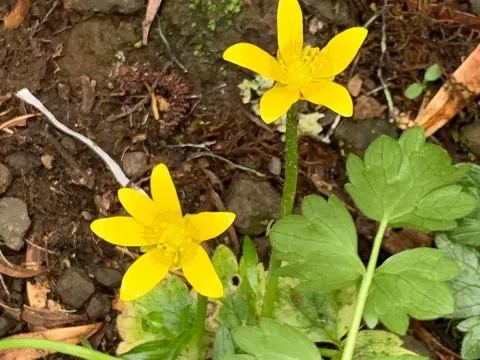
Mountain buttercup
Ranunculus oreophytus
The Mountain buttercup (Ranunculus oreophytus) is a perennial herbaceous plant belonging to the Ranunculaceae family. It is naturally adapted to high-altitude environments, showing unique physiological adaptations for survival in alpine climates.
What the section contains
Mountain buttercup
Botanically, the plant features a low-growing habit with a basal rosette of leaves and distinctive bright yellow flowers. This morphology helps the plant minimize water loss and protect its sensitive reproductive organs from harsh alpine winds.
Successful cultivation requires environmental conditions that mimic high-mountain landscapes. Key factors include high light intensity, significant diurnal temperature variations, and clean, cool mountain air to ensure steady growth.
Soil requirements are strictly focused on porosity and drainage. The plant naturally grows in rocky or sandy substrates; therefore, heavy soils that retain excessive water will cause rapid root decay and plant death.
Agrotechnical management requires a minimalist approach. Due to its adaptation to low-nutrient environments, excessive fertilization should be avoided as it disrupts the natural metabolic balance and reduces the longevity of the plant.
The primary threats to the Mountain buttercup include fungal pathogens, particularly root rot and crown rot, which thrive in stagnant, wet soil conditions. Ensuring adequate soil drainage is the most effective preventative measure.
Pests that commonly affect this crop include various soil-dwelling insects and aphids that attack tender plant parts. Integrated pest management, focusing on early detection and maintaining plant vigor, is essential for healthy populations.