
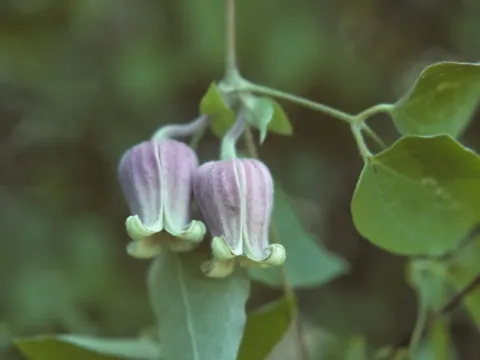
Morefield's leather flower
Clematis morefieldii
Morefield's leather flower (Clematis morefieldii) is a rare vine species belonging to the Ranunculaceae family. Native to limestone slopes in Alabama, this plant is increasingly recognized in horticulture for its distinct bell-shaped, mauve-colored blossoms.
What the section contains
Morefield's leather flower
This species requires well-draining, lime-rich soil to thrive. It performs best in locations that provide plenty of sunlight for the climbing foliage while keeping the root system shaded and cool, typically achieved through strategic mulching.
The climate requirements involve a temperate environment with sufficient rainfall, though the species is sensitive to waterlogged soil. Proper air circulation is critical to prevent the accumulation of humidity around the stems and foliage.
Agrotechnical maintenance relies heavily on sturdy support systems. As the plant is a vigorous climber, providing a trellis or fence is essential for it to reach its full height and display its unique blooms effectively during the season.
Fertilization should be handled with care, using balanced organic nutrients during the early spring growth phase. Maintaining soil fertility helps the plant manage its energy needs for the development of its characteristic nodding flowers.
Wilt, caused by fungal pathogens, is the primary threat to the health of this Clematis. It causes sudden collapse and death of stems, necessitating immediate pruning of affected areas and the application of systemic fungicides to protect the crown.
Powdery mildew is a common concern in poorly ventilated garden spaces. Keeping the foliage dry during irrigation and ensuring sufficient spacing between plants are the most effective cultural practices to avoid this disease.
Aphids can cause significant damage by clustering on the tender buds and shoots, hindering normal growth. Consistent monitoring and the use of insecticidal soaps are recommended for early-stage management of these common garden pests.
Spider mites are attracted to the plant during dry, hot periods, causing leaf discoloration and eventual drop. Regular water misting and the application of appropriate miticides help keep mite populations at bay during the summer.
Root-knot nematodes can weaken the plant by affecting its underground parts, leading to reduced vigor. Ensuring the use of sterile planting media and avoiding contaminated soil sources are crucial preventative steps for long-term health.