
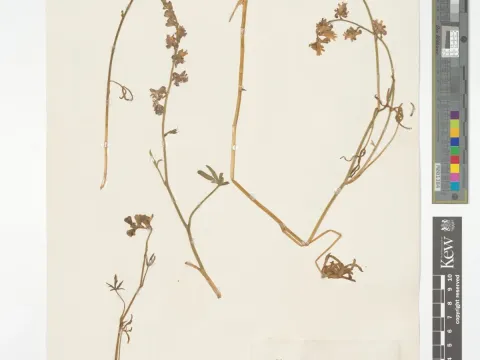
Delphinium uncinatum
Delphinium uncinatum
Delphinium uncinatum is a perennial species belonging to the Ranunculaceae family, which requires specific pre-sowing treatments for optimal germination. Sowing is best performed in late autumn, allowing the seeds to undergo natural stratification during the winter months.
What the section contains
Delphinium uncinatum
If spring sowing is planned, seeds must be kept at low temperatures (around +4°C) for several weeks to break dormancy. Sowing should be done in rows with a spacing of 40–50 cm to ensure adequate space for development and air circulation.
The seeds should be covered with a thin layer of soil, not exceeding 1–2 cm, as they require a certain amount of light for germination. Keeping the seedbed moist is crucial during the initial weeks to prevent the seeds from drying out.
Under greenhouse conditions, seedlings can be started 60 days before the last frost date. This practice ensures that the plants are well-established before being transplanted into the field, leading to more uniform growth.
Thinning out excess seedlings should be done early to avoid overcrowding. Proper spacing is essential to reduce competition for light and nutrients, which significantly influences the biomass yield.
The plant thrives in sunny locations that provide protection from strong winds, which can cause the stems to snap. While it prefers full sun, partial shade in the afternoon can be beneficial in warmer climates to prevent stress.
Soil requirements include well-drained, fertile, and loamy soils with a neutral or slightly alkaline pH. Proper soil drainage is critical, as Delphinium uncinatum is susceptible to root rot if water stagnates in the root zone.
Regular irrigation is necessary, especially during the dry summer season, as the plant's shallow root system is sensitive to water shortages. Drip irrigation is often the most efficient method for maintaining consistent moisture levels.
Fertilization should be balanced, with an emphasis on nitrogen during the vegetative phase and phosphorus-potassium blends before flowering. Adding well-rotted organic matter or compost helps improve soil structure and nutrient availability.
Weed control is vital during the early growth stages, as young plants compete poorly with weeds. Frequent shallow cultivation or the use of organic mulch helps to suppress weed growth and retain soil moisture.
Powdery mildew is a major threat to this crop, especially in humid conditions with poor ventilation. Preventive applications of fungicides and proper spacing between plants are the most effective strategies for control.
Common pests include aphids and various types of caterpillars that feed on foliage and buds. Integrated pest management, including regular monitoring and the use of targeted insecticides, is recommended for protecting the crop.
Root rot is often caused by waterlogging or poor soil drainage. Ensuring that the planting site has adequate slope or an artificial drainage system can significantly reduce the incidence of these fungal infections.
Slugs and snails can cause significant damage to seedlings. Using traps or natural repellents around the planting area can protect young plants until they reach a size that is less attractive to these mollusks.
To maintain long-term crop health, it is essential to practice crop rotation, avoiding planting species of the Ranunculaceae family in the same location more than once every four years to break pest and disease cycles.