
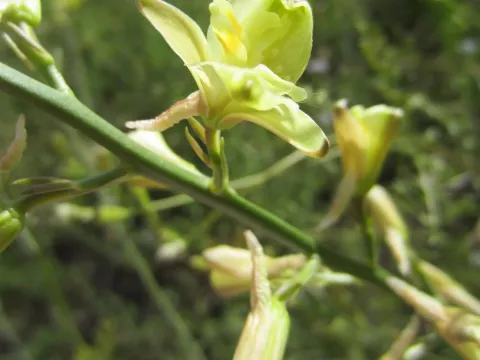
Delphinium semibarbatum
Delphinium semibarbatum
Sowing seeds of Delphinium semibarbatum is most effective when performed in late autumn, allowing for natural cold stratification over the winter period.
What the section contains
Delphinium semibarbatum
For spring sowing, it is essential to keep the seeds in a refrigerator for at least one month to simulate winter conditions and improve germination rates.
Seeds should be covered with a very thin layer of fine soil or vermiculite, as they require slight light exposure for successful sprouting.
Once seedlings emerge, they should be thinned out or transplanted to maintain a proper spacing that allows for sufficient airflow between plants.
Consistent moisture levels in the seedbed are critical during the first few weeks, but waterlogging should be strictly avoided to prevent damping-off.
This species belongs to the Ranunculaceae family and is adapted to environments with well-drained soils and plenty of direct sunlight exposure.
The plant thrives in fertile, neutral-to-alkaline soils, and it does not tolerate heavy, waterlogged clay soils that inhibit root development.
Delphinium semibarbatum is known for its hardiness in continental climates, being able to withstand seasonal temperature fluctuations quite effectively.
Proper aeration of the soil is a key maintenance factor, which helps in preventing root rot and promoting vigorous growth during the flowering season.
Applying balanced slow-release fertilizers in early spring provides the necessary nutrients for the development of robust stems and intense blossoms.
Powdery mildew is a common fungal threat that appears as a dusty white coating on leaves, especially during humid and warm weather conditions.
Crown rot caused by various soil-borne pathogens can be devastating if the plants are placed in areas where water tends to collect after rain.
Insects like aphids can colonize the soft tissues of the plant, potentially acting as vectors for viral diseases that reduce the plant's overall health.
Slugs and snails are particularly problematic for young seedlings and fresh sprouts during the spring, often requiring physical or biological controls.
Good cultural practices, such as removing old plant debris and ensuring proper spacing, remain the primary defense against most pests and diseases.