
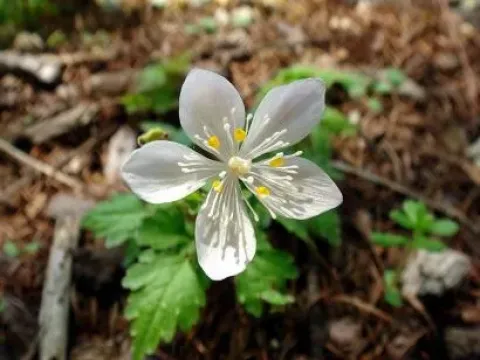
Dichocarpum
Dichocarpum
The genus Dichocarpum belongs to the Ranunculaceae family, encompassing perennial herbs that are recognized for their distinct botanical morphology and environmental preferences.
What the section contains

Dichocarpum
Native to the temperate and subtropical regions of East Asia, these plants are primarily found in dense forest habitats where the forest canopy provides natural shade and soil protection.
To cultivate these plants successfully, gardeners must provide a nutrient-rich, humus-based soil that mimics the natural forest floor conditions with excellent drainage capabilities.
Environmental requirements include a cool, humid climate and protection from direct midday sun, which can dehydrate the plants and scorch their delicate foliage during peak summer months.
The plant grows via slender rhizomes, and its unique reproductive cycle involves fruits that split into two sections, which is the primary trait defining the genus name and evolutionary adaptation.
Biological threats to the genus primarily stem from fungal infections that thrive in environments with excessive soil moisture and inadequate airflow around the foliage.
Powdery mildew is a frequent concern, especially in areas with stagnant air, requiring strict monitoring and proactive management to protect the plant's structural integrity.
Mollusks such as slugs and snails are notorious for feeding on the lush leaves of Dichocarpum, often causing irreversible aesthetic damage during the early growing season.
Root rot remains a critical risk factor, largely preventable through proper planting depth and the maintenance of a loose, breathable substrate that avoids water logging.
Regular maintenance, including debris removal and soil surface treatment, helps mitigate the risk of pest infestations and fungal pathogen development in the planting area.