
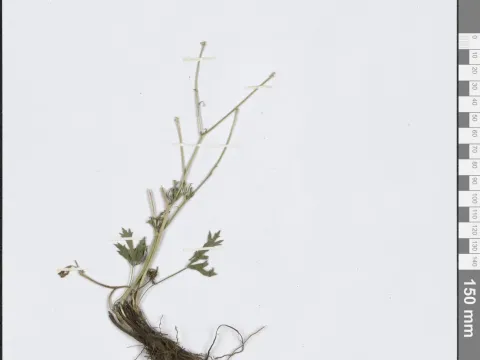
Dissected buttercup
Ranunculus dissectus
The dissected buttercup (Ranunculus dissectus) belongs to the Ranunculaceae family. It is a perennial herbaceous plant native to temperate regions, typically found in moist meadows and forest margins where soil moisture remains consistent throughout the spring season.
What the section contains
Dissected buttercup
Botanically, the plant is distinguished by its deeply dissected leaf structures, which optimize light absorption in understory conditions. It features a robust rootstock that serves as a storage organ, enabling the plant to survive and regenerate vigorously during the transition from dormancy.
Soil requirements for this species focus on high organic matter content and excellent drainage capacity. While it thrives in moist environments, it cannot tolerate standing water, which necessitates the preparation of well-structured soil beds to prevent crown rot and root suffocation.
Climate adaptability plays a critical role in the growth cycle, with a preference for cooler temperatures and protection from intense mid-summer heat. Adequate wind protection is essential, as the fine leaf structure can be easily damaged by strong, dehydrating winds.
Agricultural use is primarily centered on ornamental horticulture and seed production for conservation projects. The plant is valued for its unique morphology and is increasingly studied for its ability to integrate into diverse garden landscapes where other species might fail.
Primary plant health issues include fungal diseases like powdery mildew and various leaf rusts. Maintaining proper aeration and avoiding overhead irrigation during humid periods are critical management strategies to prevent these pathogens from establishing in the plant canopy.
Insect pests, such as aphids and leaf miners, represent significant threats to foliage health. Integrated Pest Management (IPM) practices, including the use of targeted biological controls and soaps, are recommended to maintain the plant's health without disrupting the local ecosystem.