
Delphinium speciosum
Delphinium speciosum
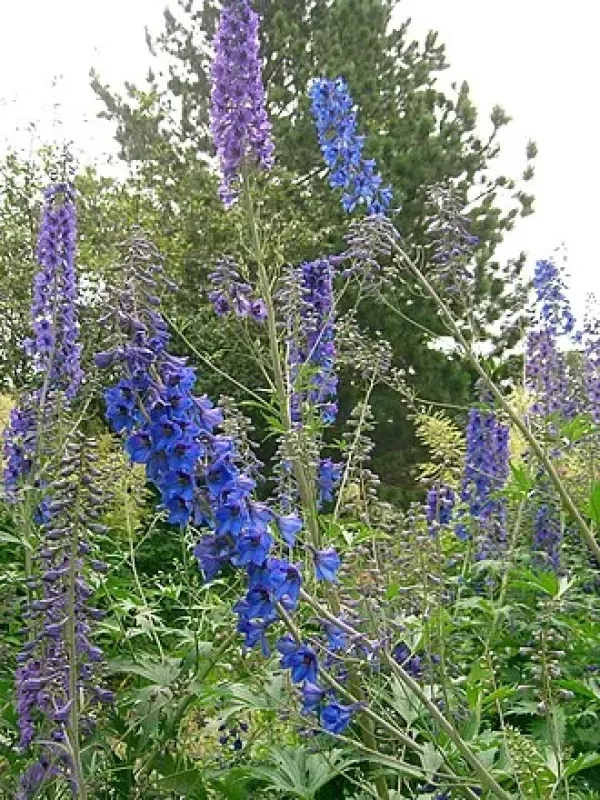
Description
Sowing dates
The sowing of Delphinium speciosum seeds is typically performed in late autumn for winter sowing or in early spring following a period of cold stratification. Seeds lose viability quickly, so using fresh, harvested material is crucial for optimal germination rates.
For indoor propagation, sow seeds in trays during early spring. Maintain cool temperatures around +12 to +15 degrees Celsius, as excessive heat inhibits germination and causes weak, leggy seedlings.
Transplant seedlings into the open field once the danger of late spring frost has completely passed. The root system is quite delicate, so handle the plants carefully to avoid root shock during the process.
Maintain a spacing of at least 45–50 centimeters between individual plants. Adequate ventilation is essential to keep the foliage dry and to prevent the rapid spread of airborne pathogens.
Division of mature, 3 to 4-year-old clumps is another viable method for propagation. This ensures that the progeny retains the exact characteristics of the parent plant while establishing faster than seedlings.
Growing requirements
Delphinium speciosum is a perennial plant belonging to the Ranunculaceae family. It is native to high-altitude meadow environments, which contributes to its preference for temperate climates and well-aerated soil.
These plants thrive in full sun but benefit from light shade in extremely hot climates to protect the petals from fading. Strong wind protection is necessary for the tall spikes to prevent stem breakage.
The ideal soil is fertile, rich in organic matter, and has a neutral to slightly alkaline pH. Drainage is of utmost importance; clay soils must be amended with grit or sand to prevent winter waterlogging.
Consistent moisture is required throughout the growing season, especially when the flower spikes are developing. However, soil should be moist but never saturated to avoid root rot issues.
Winter hardiness is excellent for this species, but it is sensitive to freeze-thaw cycles that can heave the crown. Applying a layer of mulch in late autumn helps protect the root zone from extreme temperature fluctuations.
Main diseases and pests
Fungal diseases are the primary threat to Delphinium speciosum, particularly powdery mildew which appears as a white coating on leaves. High humidity levels without adequate air circulation exacerbate this condition.
Black spot and root rot are common in areas where water pools around the base of the plant. Fungicide treatments and proper site selection for drainage remain the best defense against these outbreaks.
The Delphinium fly is a major insect pest that lays eggs inside the buds. Infested flowers become distorted and fail to open properly, significantly impacting the decorative value of the spike.
Slugs and snails can cause severe damage to young sprouts in the spring. Using copper tape, traps, or molluscicides is recommended to prevent these pests from destroying the tender growth during the early season.
Sanitation practices are essential for disease management. Always remove and destroy diseased foliage at the end of the season to prevent spores from overwintering and reinfecting the garden next year.
Harvesting
Cut flowers are harvested when roughly two-thirds of the florets on the spike are open. This stage ensures the best balance between initial beauty and long-lasting vase life.
Seed harvesting should be done once the pods turn brown but before they split open. Thorough drying in a well-ventilated area is necessary to prevent mold growth during seed storage.
It is important to note that the plant contains toxic alkaloids; therefore, gardening gloves should be worn when handling the stems or foliage, especially when pruning in the autumn.
After the primary flowering period, removing the spent flower stalks can occasionally encourage a smaller second flush of blooms, provided the plant is well-fed and hydrated.
Final pruning for the year is carried out in late autumn, cutting the stems back to 5–10 centimeters above ground level. This practice encourages better dormancy and protects the crown from severe winter weather.