
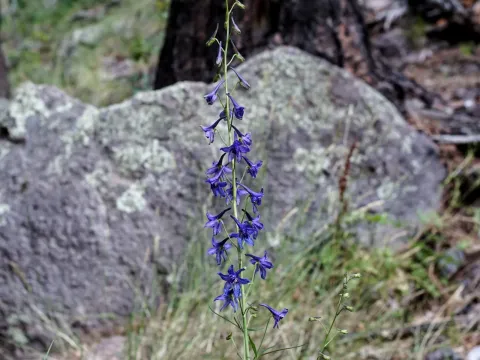
Delphinium scopulorum
Delphinium scopulorum
The sowing of Delphinium scopulorum seeds is typically scheduled for the early spring when the soil begins to warm. For better results, many growers prefer the greenhouse method, starting the seeds in trays during late February or early March to ensure a longer growing season.
What the section contains
Delphinium scopulorum
Seeds of this species exhibit dormancy, which often necessitates a cold stratification period. Placing the seeds in a moist medium at low temperatures for two to four weeks effectively mimics their natural mountain environment and significantly increases the germination rate.
When sowing, seeds should be covered with only a very thin layer of substrate, as light is often required for optimal germination. It is crucial to maintain a consistent moisture level throughout the incubation period without waterlogging the tray, which could cause seed decay.
Seedlings develop relatively slowly, so patience is required during the initial growth phase. Proper spacing is important once the seedlings are ready to be pricked out into individual containers, as this reduces competition for light and nutrients among the young plants.
Transplanting into the permanent outdoor location should only be carried out once all danger of hard frost has passed. Hardening off the young plants over a period of seven to ten days is recommended to prevent transplant shock when moving them from the greenhouse to the field.
Delphinium scopulorum, a member of the Ranunculaceae family, naturally occurs on rocky slopes, which dictates its preference for well-drained soil. In agricultural or garden settings, heavy clay soils must be heavily amended with sand or organic grit to ensure effective drainage.
The species performs best in full sun, where the stems can receive adequate light to support their vertical growth. While the plants are hardy, they require protection from strong, persistent winds that could potentially snap the tall, hollow flower spikes during the flowering season.
Soil pH should be maintained in the neutral to slightly acidic range to ensure optimal nutrient availability. Regular incorporation of organic matter, such as well-rotted compost, promotes vigorous root growth and helps the soil retain just enough moisture for healthy development.
Climate requirements for this plant include a temperate environment with distinct seasonal changes. They are generally frost-tolerant but benefit from a layer of mulch in regions with harsh, snowless winters to protect the crown and root system from extreme fluctuations in temperature.
Adequate nutrition is critical during the active growing phase. A balanced fertilizer applied in early spring, followed by a potassium-rich feed during the budding stage, helps produce the deep, characteristic color and structural integrity of the inflorescences.
Powdery mildew is a common fungal threat, particularly in regions with high humidity or poor air circulation. Thinning the plantings and ensuring adequate spacing between individual specimens are the most effective preventive measures against the spread of spores.
Root rot, caused by excessive soil moisture and poor drainage, is a significant threat to the plant's long-term survival. Monitoring the drainage status after heavy rain is a vital component of the maintenance schedule, especially in low-lying areas of the site.
Aphids and various fly species are known to target the foliage and flower buds, weakening the plant. Integrated pest management, including the use of neem oil or targeted insecticides, should be employed as soon as the first signs of infestation are detected.
Slugs and snails can decimate young transplants in a single night. Implementing physical barriers, such as copper tape or crushed eggshells, or using environmentally safe bait, provides the necessary protection for the young, succulent growth in the spring.
Viral infections are the most serious concern, often spread by sap-sucking insects. Since there is no cure, strict sanitation protocols, such as removing and burning infected plants and controlling insect populations, are essential to maintain the health of the entire crop.