
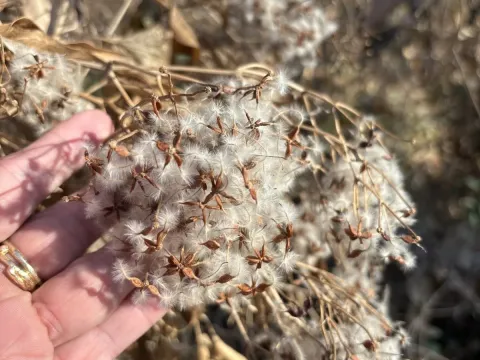
Dioscorea-leaved clematis
Clematis dioscoreifolia
Propagation of Clematis dioscoreifolia is typically achieved through seeds or vegetative cuttings. Seeds require cold stratification for several weeks before planting to ensure uniform germination.
What the section contains
Dioscorea-leaved clematis
When sowing in containers, use a light, well-draining potting mix. Cover seeds lightly with soil and keep them in a place with stable, moderate temperatures until they sprout.
Cuttings are a more efficient method for maintaining specific characteristics. Take softwood cuttings in late spring and place them in a humid, shaded environment to facilitate rooting.
Transplanting should occur during the dormant season or early spring. Ensure the young plant is placed in a hole that allows for deep root development.
Proper spacing is essential for the healthy growth of this vine, allowing it enough room to expand without competing with neighboring plants for light or nutrients.
Belonging to the Ranunculaceae family, Clematis dioscoreifolia is a vigorous woody climber native to East Asia. It is prized for its fragrant, white, late-season flowers.
The plant thrives in sunny locations but prefers to have its base shaded by other plants or mulch to keep the root system cool and moist.
Soil quality is paramount; it requires fertile, humus-rich soil with a slightly alkaline or neutral pH. Good drainage is non-negotiable to prevent root rot.
Watering requirements vary by season, but consistent moisture is key during the first two growing years. Regular pruning is necessary to control its vigorous growth and encourage more blooms.
Sturdy trellises or fences are required for support. The vine uses its leaf petioles to wrap around structures and climb upwards effectively.
Clematis wilt, a fungal infection caused by pathogens, is the most common threat. It causes sudden collapse of healthy stems, requiring immediate pruning below the affected area.
Pest issues include aphids and spider mites, which can cause leaf deformation and reduced plant vigor if left unchecked during dry weather.
Management strategies involve keeping the plant environment clean, removing debris, and applying organic or synthetic fungicides when symptoms first appear.
Beneficial insect populations should be encouraged, as they can help manage aphid infestations naturally without the need for heavy pesticide use.
Monitoring the plant regularly for early signs of distress is the best defense. Maintaining plant health through proper fertilization and watering strengthens its resistance.