
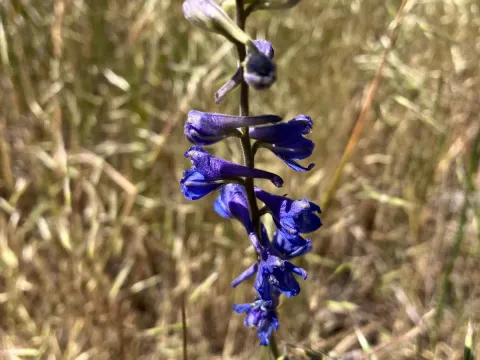
Delphinium strictum
Delphinium strictum
The sowing of Delphinium strictum seeds is best performed in late autumn to allow for natural cold stratification during the winter months in the soil.
What the section contains
Delphinium strictum
For spring sowing, seeds must undergo artificial stratification at temperatures ranging from 0 to +5 degrees Celsius for about 45 days to ensure germination.
The seeds are small and should be covered with a thin layer of fine soil or vermiculite, approximately 0.5 to 1 cm deep to facilitate emergence.
Row spacing should be maintained at 40-50 cm to allow for proper air circulation and to minimize the risk of spreading fungal diseases between individual plants.
Consistent soil moisture must be provided during the germination period, preferably using gentle mist irrigation to avoid washing away the seeds.
Delphinium strictum belongs to the Ranunculaceae family and requires a sunny location with well-drained, fertile, and slightly alkaline soil to thrive.
The plant is sensitive to waterlogging, so soil structure should be loose, allowing for deep root penetration and preventing the accumulation of stagnant moisture.
Regular fertilization with balanced nutrients is recommended during the early growth stage to support the development of strong flowering stems.
The species prefers cool to moderate climates, and protection from strong, persistent winds is essential to prevent physical damage to tall spikes.
Mulching the base of the plant helps retain soil moisture during the heat of the summer and suppresses weed growth around the root zone.
Powdery mildew is a common fungal threat, particularly in humid environments, which manifests as a white coating on the leaves and eventually weakens the plant.
Root rot caused by various soil-borne pathogens can occur if drainage is insufficient, leading to rapid wilting and eventual death of the crop.
Slugs and snails are notorious pests that frequently target young succulent seedlings, necessitating the use of barriers or integrated pest management strategies.
Some insect larvae may bore into the stems, compromising the structural integrity of the plant and hindering the transportation of nutrients and water.
Timely inspection and the application of appropriate systemic fungicides and insecticides are crucial to mitigating these risks effectively.
For medicinal purposes, the aerial parts of the plant are harvested during the peak blooming phase, which is when the concentration of alkaloids is at its highest.
The stems should be cut using sharp shears, ensuring that at least 10 cm of growth remains above the crown to allow the plant to recover and persist.
Immediate processing is required to prevent fermentation; the material should be spread thinly in a shaded, well-ventilated area for uniform air-drying.
Seeds are harvested once the seed pods begin to turn brown and become brittle, usually occurring in late summer to early autumn depending on the climate.
After drying, the product should be stored in airtight containers, kept in a cool and dark place to maintain the potency of its chemical constituents.