
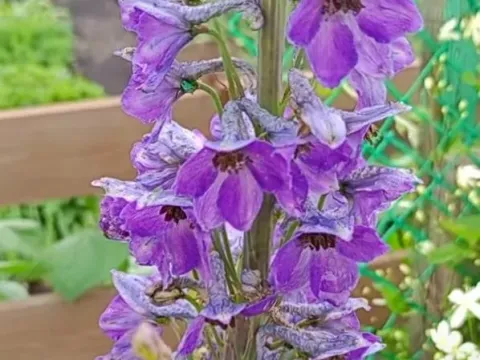
Delphinium sergii
Delphinium sergii
Delphinium sergii is a perennial herbaceous plant belonging to the Ranunculaceae family. It is recognized for its unique botanical features and is highly valued in botanical circles for its aesthetic appeal and structural contribution to flower beds.
What the section contains
Delphinium sergii
The plant thrives in well-drained, nutrient-rich soils with a neutral pH level. It requires a location that provides ample sunlight, though in extremely hot climates, partial shade during the peak of the afternoon is beneficial to prevent heat stress.
Climate requirements involve a moderate environment where the plant can experience a distinct dormant period during winter. It is generally hardy, provided that the soil is not waterlogged during the colder months, which can lead to crown rot.
Agricultural practices for this species focus on providing sturdy support for the tall flower spikes. Regular deadheading after the primary bloom can sometimes encourage a secondary flush of flowers, extending the plant's decorative value.
The primary use of Delphinium sergii is in ornamental landscaping. It serves as an excellent focal point in perennial borders or as part of a wild-flower style garden, adding verticality and vibrant color to the landscape.
Powdery mildew is a frequent issue, particularly in humid conditions. Ensuring proper spacing between plants to facilitate air circulation is the primary cultural practice to mitigate the risk of infection.
The Delphinium moth is a common pest that specifically targets the buds, potentially destroying the flower display. Monitoring the plants during the early bud formation stage is critical for effective management.
Root rot is often caused by poor drainage or overwatering. Maintaining a porous soil structure and avoiding stagnant water around the root zone is essential for the long-term health of the plant.
Aphids are typical pests that congregate on the tender new growth. Integrated pest management, including the use of neem oil or insecticidal soaps, is recommended to control populations without damaging beneficial insects.
Slugs and snails can severely damage young shoots in the spring. Implementing mechanical barriers or using organic baits is often necessary to protect the plant during its most vulnerable stage of rapid vegetative growth.