
Delphinium axilliflorum
Delphinium axilliflorum
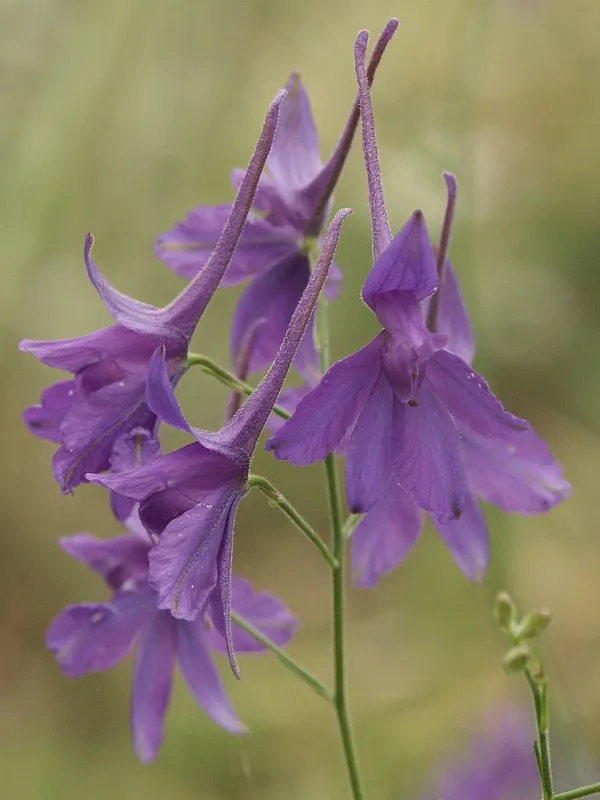
Description
Growing requirements
Delphinium axilliflorum is a perennial herbaceous plant belonging to the Ranunculaceae family. It is primarily found in steppe regions, where it has evolved to survive in semi-arid environments with extreme temperature fluctuations.
The plant is characterized by an erect stem, palmate leaves, and distinct flowers situated in the axils of bracts, which gives it its specific name. Its root system is deep and robust, allowing the plant to thrive in dry soil conditions where other species might struggle.
Regarding growth requirements, this species prefers well-drained, neutral to slightly alkaline soils. It is highly intolerant of waterlogging, which often leads to root rot and total plant failure. Full sun exposure is essential for vigorous development and proper flower formation.
From an agricultural standpoint, it is primarily viewed as a weed or a toxic plant in pastoral lands. Due to the presence of alkaloids, the plant is poisonous to livestock. Consequently, it is not cultivated as a crop but rather managed or eradicated from pastures.
Management of this species in fields requires manual or mechanical removal. Because it can propagate effectively via seeds, it is critical to prevent the plant from reaching the seed-setting phase, ensuring the safety of grazing areas and preventing further spread across agricultural landscapes.
Main diseases and pests
The plant is susceptible to powdery mildew, especially in regions with high humidity or poor air circulation. Overwatering is another critical threat, as it encourages soil-borne pathogens that target the root system.
Pests such as aphids and specialized leaf-eating larvae pose a constant threat during the growing season. These insects reduce the photosynthetic capacity of the plant and can serve as vectors for various plant pathogens, further stressing the organism.