
Red Larkspur
Delphinium nudicaule Torr. & A. Gray
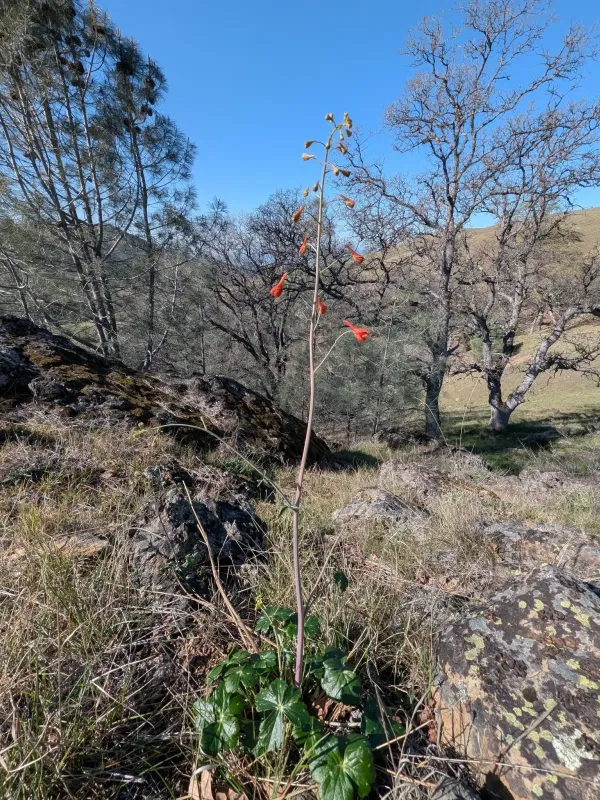
Description
Sowing dates
Red Larkspur (Delphinium nudicaule) belongs to the Ranunculaceae family. This distinctive perennial is native to the rocky slopes of California and Oregon, where it has adapted to harsh environmental conditions.
Propagation is primarily achieved through seeds. To ensure successful germination, seeds should be stratified in a refrigerator at approximately 4°C for at least three to four weeks before sowing in spring.
Sow seeds on the surface of a light, well-draining seed-starting mix, barely covering them with a thin layer of grit or vermiculite. Maintain a cool temperature, as the seeds sprout best in slightly cooler conditions than standard tropical plants.
Seedlings should be moved to individual pots as soon as the first true leaves appear. Because Delphinium species develop sensitive taproots, minimizing root disturbance during transplanting is essential for plant survival.
Once the risk of frost has passed, transplant the young specimens into their final outdoor location. A sunny site with light, rocky soil is necessary to replicate their natural habitat and promote healthy growth.
Growing requirements
This species thrives in sunny, open areas. It is particularly well-suited for rock gardens or borders where it can receive direct sunlight for most of the day, which helps maintain the plant's compact habit.
Soil drainage is the most critical factor in successful cultivation. Red Larkspur will struggle and eventually rot if planted in heavy, water-retentive clay soils; it prefers gritty, porous, and neutral to alkaline soil profiles.
Once established, the plant is relatively drought-tolerant. Irrigation should be applied deeply but infrequently, ensuring the root zone dries out significantly between watering sessions to prevent collar rot.
The plant does not require high levels of fertilization. An application of a balanced, low-nitrogen organic fertilizer in early spring can support vigorous flowering without forcing excessive, weak leaf growth.
Proper air circulation is necessary to manage heat stress in the summer. Planting them in a location that benefits from natural breezes will keep the foliage healthy and reduce the risk of humidity-related issues.
Main diseases and pests
The primary concern for Red Larkspur is crown and root rot, usually caused by overwatering or poor soil drainage. Maintaining a dry crown area is vital for the longevity of the perennial.
Powdery mildew can affect the foliage during periods of high humidity or poor air movement. If signs of white powdery patches appear, ensure the foliage stays dry and consider using an appropriate fungicide.
Slugs and snails are major pests, especially during the spring season when new shoots are soft and vulnerable. Using barriers like crushed eggshells or iron phosphate baits can help protect the plants.
Aphids may gather on flower buds. While they rarely kill the plant, they can distort the blooms; manual removal or insecticidal soap sprays are effective management strategies for small populations.
Gardeners must be aware that all parts of the Delphinium plant are toxic if ingested. Always wear gloves during pruning and maintenance to avoid potential skin irritation or ingestion of plant sap.