
Dark columbine
Aquilegia atrata
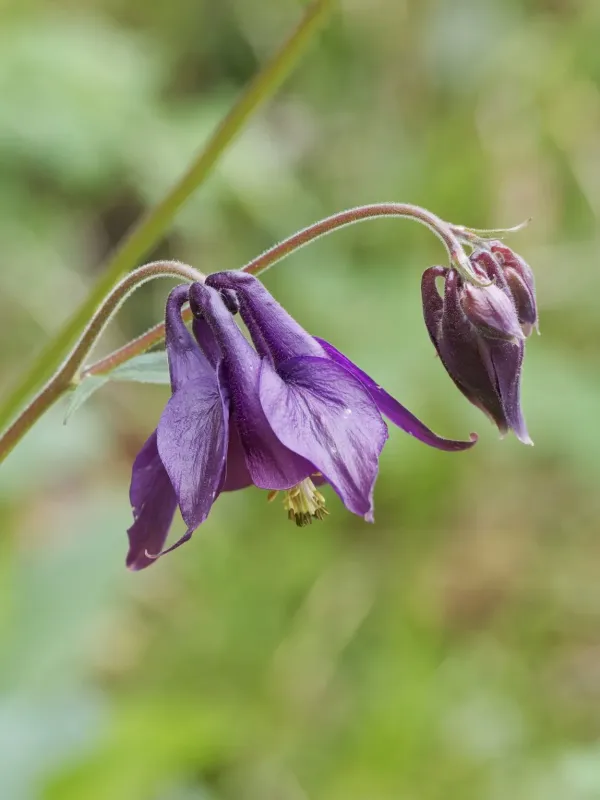
Description
Sowing dates
Dark columbine seeds require a period of cold stratification to break dormancy and ensure consistent germination in early spring.
Sowing should ideally be done in late autumn, allowing the seeds to experience winter temperatures naturally in the soil until spring arrival.
For spring sowing, seeds must be kept in a moist medium inside a refrigerator at 2–4°C for at least four to six weeks before planting.
Seeds should be pressed gently into the soil surface, as they require light to germinate effectively and should not be buried deeply.
Once seedlings are established and have developed a few true leaves, they can be thinned or transplanted to their final garden locations.
Growing requirements
Aquilegia atrata, a member of the Ranunculaceae family, performs best in cool climates with well-drained, nutrient-rich soil types.
The plant thrives in partial shade, mimicking its native habitat where it benefits from protection against the intense midday sun.
Adequate soil moisture is critical; however, the soil must remain loose and aerated to prevent root rot and physiological stress.
Adding organic compost during the spring growing season helps maintain soil fertility and supports robust flower stalk production.
This perennial is known for its hardiness, but it responds well to being kept mulched to regulate root zone temperature during dry summers.
Main diseases and pests
Powdery mildew is a common fungal disease that affects foliage during periods of high humidity and restricted air movement between plants.
Leaf spot pathogens can cause localized damage to leaves, often necessitating the pruning and removal of affected parts to limit spread.
Aphids tend to congregate on flower buds and emerging growth, which can stunt the development and aesthetic appeal of the columbine.
Spider mites are another potential pest, particularly in hot and dry weather conditions, causing the foliage to lose color and vigor.
Effective management includes maintaining proper plant spacing, practicing good sanitation, and utilizing targeted insecticides when pest thresholds are met.