
Slender Larkspur
Delphinium gracile DC.
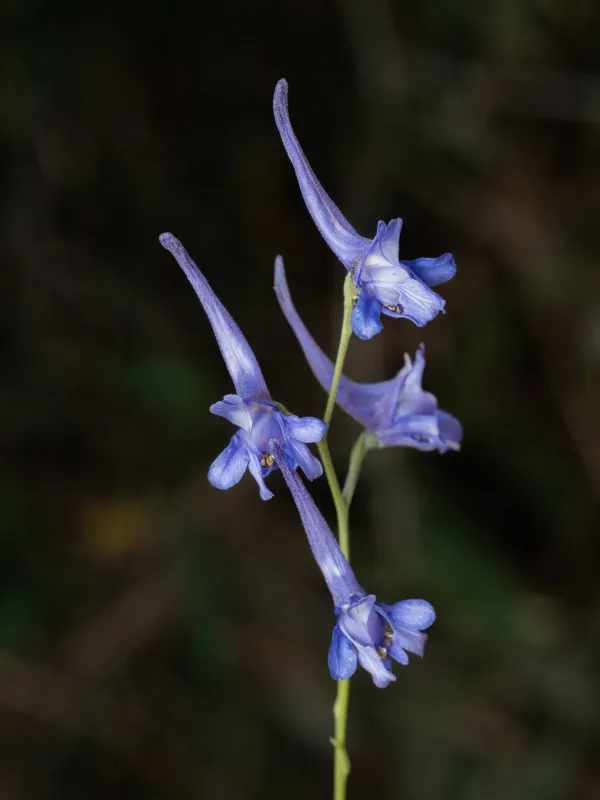
Description
Sowing dates
Delphinium gracile, commonly known as Slender Larkspur, belongs to the Ranunculaceae family. It is best sown directly into the soil in early spring when the danger of frost has passed.
For gardeners in cooler regions, starting seeds indoors in February or March is recommended. Use deep cells to accommodate the fast-growing taproot of the young seedlings.
Seeds require light for optimal germination. Press them gently into the moist soil surface without burying them too deep, and keep the environment at approximately 15-18 degrees Celsius.
Transplanting should be done carefully to avoid disturbing the root system. Once the seedlings develop several true leaves, they can be acclimated to outdoor conditions before being planted in their permanent location.
Space the plants about 30-40 centimeters apart to ensure adequate airflow. Proper spacing is essential to reduce the risk of diseases like powdery mildew in the dense foliage.
Growing requirements
Slender Larkspur thrives in full sun, requiring at least six hours of direct sunlight daily to produce strong, well-formed flower spikes. Partial shade is tolerable in very hot climates.
The ideal soil is fertile, humus-rich, and well-draining. While the plant can adapt to various conditions, it prefers a neutral to slightly alkaline pH and dislikes waterlogged, heavy clay soil.
Watering should be regular, keeping the soil moist but not soggy. During the peak of summer, consistent irrigation at the base of the plant is vital to keep the foliage from wilting.
Fertilization with a balanced, slow-release fertilizer in early spring supports healthy vegetative growth. A mid-season boost with a phosphorus-rich formula encourages a second flush of blooms.
Mulching is highly beneficial for Delphinium species. A layer of organic mulch helps retain soil moisture, suppresses weeds, and keeps the root zone cool during hot summer months.
Yield
As a decorative plant, the Slender Larkspur is highly valued for its elegant, airy structure. It serves as an excellent vertical accent in borders and cottage gardens.
The abundance of flowers depends on cultural practices. Proper deadheading after the first bloom cycle is complete often triggers secondary flower production later in the season.
For cut flower production, Delphinium gracile offers long, slender stems that work beautifully in arrangements. Harvesting at the right stage ensures a vase life of over a week.
Seed production is consistent, allowing for easy propagation. Harvesting your own seeds from the healthiest plants ensures the preservation of the strain's desirable characteristics.
The plant works well in combination with roses or ornamental grasses. Its delicate appearance contrasts effectively with broader-leaved plants, making it a favorite for landscape design.
Main diseases and pests
The most significant threat to the Slender Larkspur is powdery mildew, which appears as a white, dusty coating on the leaves. Good air circulation is the best preventive measure.
Common pests include aphids and the delphinium fly. These can cause stunted growth or distorted buds, so monitor the plants closely during the early spring and summer months.
Fungal infections can be managed with organic fungicides, such as neem oil or sulfur-based sprays, when applied at the first signs of trouble. Always avoid wetting the foliage when watering.
Root rot is a major risk if the soil remains waterlogged. Ensuring that your planting site has excellent drainage is the most effective long-term strategy for plant health.
In autumn, cleaning the garden bed is essential. Removing debris and infected stalks prevents pathogens from overwintering and reinfecting the garden the following year.
Harvesting
Flowers should be harvested early in the morning when the plant's turgor pressure is highest. This prevents premature wilting after the stems are cut.
Use clean, sharp shears to make a clean cut at an angle. This allows the stems to better absorb water in the vase and prevents damage to the crown of the plant.
For drying purposes, harvest the spikes when most of the florets are open but before they begin to fade. Hang them upside down in a dark, dry, and well-ventilated room.
Seed collection requires patience. Allow the seed pods to turn brown on the stalk before cutting them. Place them in a paper bag to catch the seeds as the pods burst.
At the end of the season, cut the entire plant back to the ground. This helps the plant enter dormancy effectively and prepares the garden bed for winter maintenance.