
Delphinium formosum
Delphinium formosum Boiss. & A. Huet
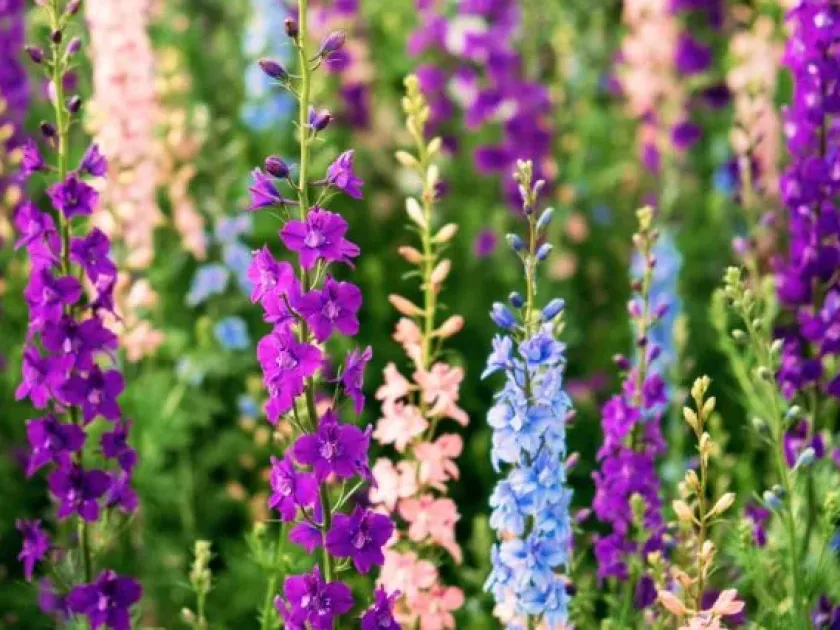
Description
Sowing dates
Delphinium formosum is best propagated from seeds sown in autumn or early spring. If starting indoors, seeds should be sown in trays during March and require a cold stratification period of several weeks at temperatures near 4°C to ensure uniform germination.
Seeds should be covered only lightly with soil, as they require some exposure to light to sprout successfully. A well-draining, sterile seed-starting mix is essential to prevent damp-off, a common fungal issue that affects young seedlings.
Under indoor conditions, seedlings typically emerge within two to three weeks. Providing supplemental lighting is crucial during this stage to ensure that the young plants develop sturdy stems rather than becoming thin and leggy.
Once true leaves appear, seedlings should be pricked out into individual pots. Hardening off the plants is a critical step, involving a gradual transition to outdoor conditions over a ten-day period to prevent transplant shock.
Transplanting into the permanent garden bed should be done after the risk of late spring frost has completely passed, ensuring the soil has warmed up sufficiently for active root establishment.
Growing requirements
This species thrives in sunny locations that offer some protection from prevailing winds. Because of its tall stature, Delphinium formosum often requires staking to keep the bloom spikes upright during stormy weather.
The plant performs best in fertile, loamy soils that maintain consistent moisture without becoming waterlogged. Excellent drainage is non-negotiable; heavy clay soils should be amended with organic matter and grit to ensure roots remain healthy.
Fertilization is key to producing high-quality blooms. Incorporating well-rotted compost during planting provides a long-term nutrient source, while balanced liquid fertilizers can be applied during the peak growth phase in late spring.
Watering should be managed carefully, targeting the base of the plant to keep foliage dry. Inconsistent moisture can lead to plant stress, making the delphinium more susceptible to pathogens and reducing the overall quality of the flower spikes.
A layer of organic mulch around the base helps retain moisture and suppress weeds. However, the mulch should not be in direct contact with the crown of the plant to prevent rot during periods of high humidity.
Main diseases and pests
Powdery mildew is a significant threat, appearing as a white, dusty layer on leaves during humid conditions. Improving air circulation by spacing plants appropriately and using fungicides can effectively manage this infection.
Root rot is often caused by poor drainage or overwatering. If the crown of the plant becomes consistently soft or dark, it is usually a sign of fatal fungal infection, and the plant should be removed and destroyed to protect others.
The delphinium fly (Phytomyza delphiniae) can be a major problem, as larvae feed on the flower buds. Regular monitoring and the application of systemic insecticides during the early bud formation phase are recommended for control.
Slugs and snails often feed on young foliage, particularly in the spring. Using copper tape, barriers, or organic bait pellets around the perimeter of the bed can significantly reduce damage without harming beneficial pollinators.
To prevent the buildup of soil-borne diseases, it is highly recommended to practice crop rotation. Avoid replanting delphiniums in the exact same spot more than once every few years to keep the soil ecosystem healthy.
Harvesting
Harvesting for floral arrangements should occur when approximately half of the florets on the spike have opened. This stage ensures that the stem will continue to develop while looking beautiful in a vase for an extended period.
Stems should be cut at an angle with sharp, clean shears and placed immediately into water. Removing the lower foliage helps prevent bacterial growth in the vase water, which can otherwise plug the stem's vascular system.
For seed production, allow the flower spikes to remain on the plant until the pods turn brown and begin to dry. It is essential to monitor them closely, as the pods can split and scatter seeds prematurely if left too long.
Collected seed pods should be air-dried in a paper bag in a shaded, well-ventilated location. Once dry, the seeds can be threshed, cleaned, and stored in a cool, dark, and dry environment to maintain maximum viability for future plantings.
At the end of the season, the stems should be cut back to just above the crown after the foliage has naturally turned yellow. Leaving a short stub can help trap snow in colder climates, providing extra insulation for the dormant roots.