
Alpine delphinium
Delphinium elatum L.
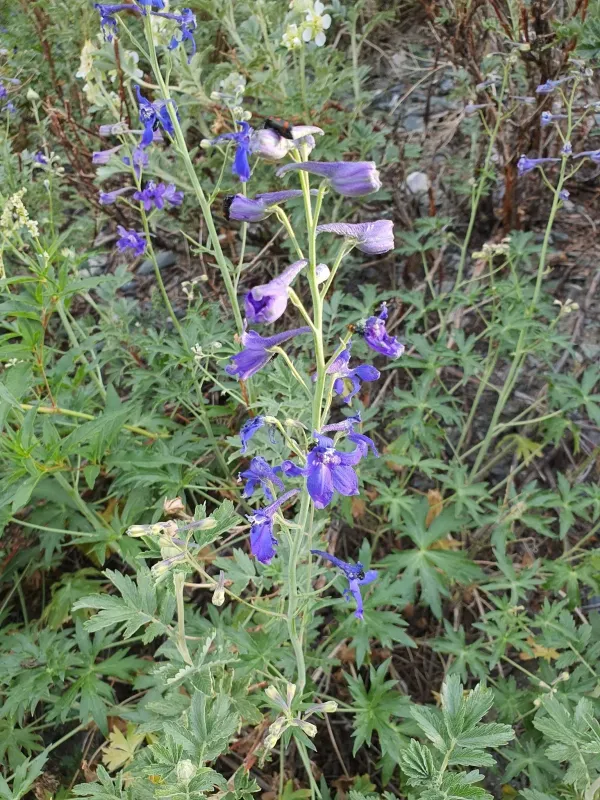
Description
Sowing dates
Seeds of the Alpine delphinium (Delphinium elatum) require a period of cold stratification to break dormancy. For outdoor sowing, this is best achieved by planting in late autumn, allowing the natural winter cycle to trigger the germination process for the following spring.
For indoor propagation, seeds should be sown in trays in late winter. Maintaining a consistent temperature of around 15–18°C is crucial for uniform germination, while avoiding excessive moisture which can lead to fungal issues.
Once the seedlings develop their first true leaves, they should be carefully pricked out into individual pots. This stage is vital to provide enough root space, as the plant develops a robust root system early on that responds poorly to extreme root competition.
Transplanting to the final location is performed in late spring or early summer. It is essential to choose a site with well-drained soil, as the species is prone to root rot if water remains stagnant for prolonged periods after rainfall or irrigation.
Spacings must be carefully managed to ensure adequate ventilation. A density of 3–4 plants per square meter is usually sufficient, promoting healthy development and reducing the risk of foliage diseases during the peak summer humidity.
Growing requirements
Delphinium elatum is a member of the Ranunculaceae family and is known for its impressive height and intense coloration. It thrives in temperate regions, mimicking the cool mountain climate of its natural ancestors from Central and Eastern Europe.
Soil fertility is the cornerstone of successful cultivation. The species prefers deep, nutrient-rich, loamy soils with a near-neutral pH level. Incorporating well-rotted organic matter into the soil prior to planting significantly improves growth rates.
Full sun is ideal, although protection from scorching afternoon heat in warmer climates is beneficial. In highly exposed locations, the use of sturdy garden stakes is mandatory to prevent the tall, hollow stems from breaking under their own weight or wind pressure.
Regular watering is essential throughout the growing season, particularly when the flower spikes are developing. Irrigation should be directed to the root zone to avoid wetting the leaves, which minimizes the incidence of fungal pathogens on the foliage.
Nutrient management involves applying balanced, slow-release fertilizers in the early spring. As the plants enter the flowering phase, phosphorus and potassium levels should be increased to support the production of large, vibrant floral displays.
Main diseases and pests
Powdery mildew is the most common fungal threat, characterized by a white, floury coating on leaves. Ensuring proper spacing and airflow, combined with the application of appropriate fungicides, is the primary control strategy.
Insect pests, such as the delphinium aphid and various larvae, can cause significant damage. These pests not only weaken the plant by feeding on sap but may also act as vectors for complex viral diseases that lead to stunted growth.
Root and crown rot are frequent issues caused by poor soil drainage. If the drainage is inadequate, the base of the plant becomes susceptible to pathogens, which can rapidly lead to the collapse and death of the entire specimen.
Slugs and snails can decimate young, succulent shoots in spring. Implementing physical barriers, such as copper tape or organic baits, is often required to protect young plants until they become established enough to withstand such herbivory.
Vigilance regarding virus symptoms, including leaf mottling and twisted stems, is necessary. Unfortunately, there is no cure for such infections, so identifying and removing symptomatic plants promptly is essential to protect the overall garden collection.