
Delphinium grandiflorum
Delphinium grandiflorum L.
Description
Sowing dates
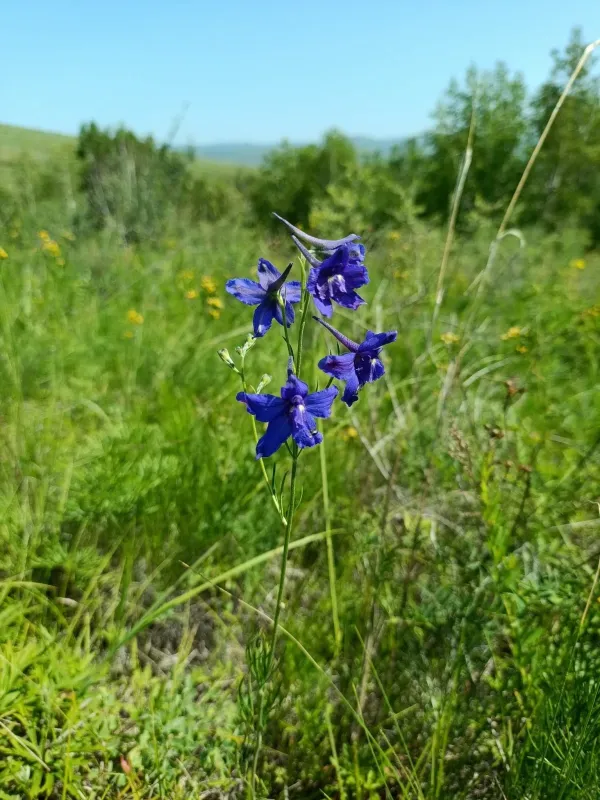
Delphinium grandiflorum, commonly known as the Chinese delphinium, is a herbaceous perennial belonging to the Ranunculaceae family, originating from East Asia.
Seeds are typically sown in early spring in trays under controlled conditions. Cold stratification is essential for breaking seed dormancy and ensuring uniform germination.
Transplanting seedlings to the garden bed should occur after the final spring frost. Spacing is crucial to ensure each plant receives adequate light and resources.
Direct sowing in autumn is also possible in milder climates, allowing the seeds to undergo natural winter chilling before sprouting in the spring.
The plant grows as a clump with finely divided leaves and vibrant blue, purple, or white flowers that are highly valued in landscape design.
Growing requirements
This species thrives in sunny locations but benefits from light shade in regions with extremely hot summers to prevent the foliage from scorching.
Well-drained, fertile soil is a strict requirement for healthy growth. The plant is sensitive to waterlogged conditions, which can lead to crown rot.
Soil pH should ideally be neutral or slightly alkaline. Incorporating compost or well-rotted manure before planting will provide necessary nutrients.
Regular irrigation is required during dry spells, focusing on watering at the base of the plant to keep the foliage dry and reduce disease risk.
Staking may be necessary for taller varieties, even though the species is generally more compact than other members of the Delphinium genus.
Main diseases and pests
Powdery mildew is a common fungal threat that appears as a white dusting on leaves, often occurring in late summer when nights become cooler.
Bacterial leaf spot can severely disfigure the foliage, necessitating the prompt removal and disposal of infected plant parts to prevent further spread.
Pests such as aphids and slugs can cause significant damage. Aphids cluster on succulent growth, while slugs prefer the young, tender leaves in early spring.
Root rot, often caused by poor drainage, is a lethal condition that should be addressed by improving soil structure or choosing better-draining sites.
Integrated pest management, including regular inspection and the use of targeted treatments, is recommended to keep the plants healthy and vigorous.