
Delphinium x cultorum
Delphinium x cultorum Voss
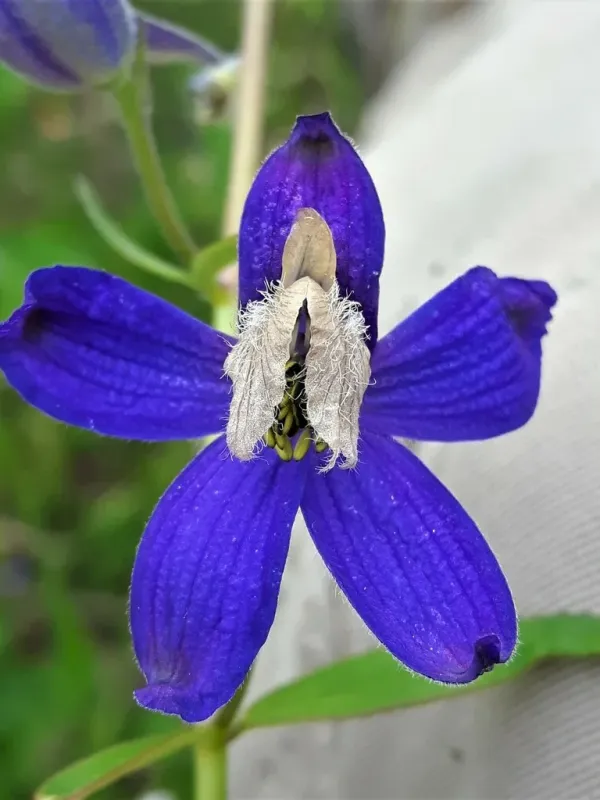
Description
Sowing dates
Delphinium x cultorum seeds are known for their short shelf life, so it is highly recommended to use fresh seeds or store them in airtight containers at low temperatures. Indoors, sowing should ideally take place in late winter or early spring to ensure the plants have time to establish before summer.
Stratification is a key step in successful germination. Keeping the sown seeds at a temperature of 2–5 degrees Celsius for about two weeks mimics natural conditions and significantly increases the overall germination rate of the hybrid varieties.
For outdoor sowing, late April or October is preferred. While autumn sowing allows for natural winter stratification, spring sowing requires consistent moisture. Regardless of the season, seeds should be covered only slightly with soil as they require some light to germinate effectively.
Once seedlings develop two true leaves, they should be carefully pricked out into individual pots. This stage is crucial for developing a strong, fibrous root system that will support the plant through its rapid growth phase in the later part of the season.
Young plants should be hardened off before final transplanting into the garden. This process involves gradually increasing their exposure to outdoor temperatures and light over the course of a week, reducing transplant shock and promoting sturdier stems.
Growing requirements
As a member of the Ranunculaceae family, Delphinium x cultorum thrives in fertile, well-draining loamy soils with a neutral or slightly alkaline pH. Proper soil preparation, including the addition of compost, is essential to meet the high nutrient demands of these tall perennials.
A location with full sun is ideal, although the plants benefit from some shelter against strong winds that can snap their heavy flower spikes. Staking is a mandatory part of the cultivation process to keep the tall stalks upright and visually appealing throughout the blooming season.
Consistent moisture is vital during the growing period, but water should be applied directly to the base of the plant. Avoiding overhead irrigation is critical, as wet foliage significantly increases the risk of fungal leaf diseases and crown rot.
Feeding the plants with a balanced fertilizer in early spring and again as flower buds begin to form ensures vigorous growth and vibrant bloom color. A third light feeding after the first flush of flowers can encourage a second, albeit smaller, bloom in late summer.
Winter maintenance includes cutting back the foliage to ground level after the plant goes dormant. In regions with harsh winters, a layer of protective mulch or pine branches helps insulate the root crown against extreme cold and freeze-thaw cycles.
Main diseases and pests
Powdery mildew is one of the most common threats to delphiniums, characterized by a white, dusty growth on the leaves. Increasing airflow by spacing plants properly and applying appropriate fungicides can manage this condition before it spreads.
Black spot, caused by various fungal pathogens, often manifests as dark patches on the leaves. Good sanitation practices, such as removing and burning infected foliage as soon as symptoms appear, are essential to prevent the fungus from overwintering in the soil.
Slugs and snails can cause substantial damage to tender young shoots during the spring. Implementing physical barriers, such as copper tape or crushed eggshells, combined with environmentally safe baits, is a standard and effective method of protecting the plants.
The delphinium fly (Phytomyza delphiniae) presents a specific risk, as its larvae can deform flower buds and cause them to fail to open properly. Regular scouting and the application of systemic insecticides during the budding stage can minimize damage to the flower spikes.
Root rot is primarily a sign of poor drainage or overwatering. If symptoms appear, plants must be checked immediately, and the affected areas removed. Improving the soil structure or transplanting the delphinium to a better-drained site is often the only way to save the specimen.