
Delphinium Belladonna
Delphinium x belladonna hort. ex Bergmans
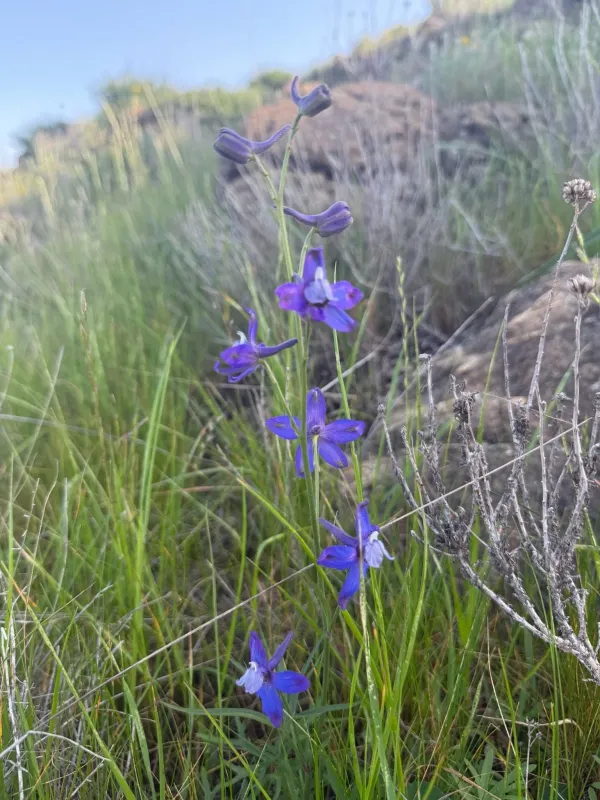
Description
Sowing dates
Propagation of Delphinium Belladonna is primarily done through vegetative methods, as this complex hybrid preserves its varietal characteristics only through division of the clump. The best time for division and transplanting is early spring, when the first shoots appear, or in early autumn after the growing season concludes.
Seed sowing is possible but requires stratification to improve germination rates. Seeds are sown in trays in March, with seedlings transplanted into the soil in late May. Seeds should be sown no deeper than 3-5 millimeters, and the soil must be shaded from direct sunlight during the germination phase.
For successful root establishment, maintain a stable temperature range between 15-18 degrees Celsius. Waterlogging the soil during germination is unacceptable, as it often leads to "damping off" in young seedlings.
When planting in a permanent location, maintain a spacing of at least 40-50 centimeters between plants. This ensures adequate air circulation, which prevents the development of fungal infections in dense plantings.
Young plants require regular watering until the root system is fully established. During the first year, the plant may not display its full ornamental potential as it focuses energy on vegetative growth.
Growing requirements
This crop has high requirements for substrate fertility. Ideal conditions include loose, loamy, or sandy soils with a neutral or slightly alkaline pH that is rich in humus.
The planting site should be well-lit but protected from strong winds, as the tall flower spikes are prone to lodging. Light afternoon shading is acceptable to help preserve the vibrancy of the petals.
A crucial requirement is to avoid moisture stagnation in the root zone. In heavy clay soils, it is essential to create a thick drainage layer using crushed brick or coarse sand during the preparation of the planting pit.
The plant responds well to organic fertilizers, such as well-rotted compost or manure, applied twice per season. During the active growth period, phosphorus-potassium fertilizers are required to stimulate the production of lush inflorescences.
In regions with harsh winters, plants require light protection with mulching material after the aerial parts have been pruned. This helps protect the crown of the root system from frost damage during temperature fluctuations.
Main diseases and pests
The most dangerous disease is powdery mildew, which manifests as a white coating on the leaves. Systemic fungicides should be applied at the first sign of infection to control the spread.
In high humidity conditions, Delphinium is often affected by root rots. The disease spreads rapidly, leading to the wilting of the entire bush, making strict control over the irrigation regime essential.
Significant damage from pests is caused by the Delphinium fly and aphids. They suck sap from young leaves and buds, causing deformation and reducing the aesthetic value of the plant.
Slugs and snails can damage young shoots in the spring. Using gravel mulch or applying specialized molluscicides effectively reduces their population in the garden.
- Prevention of fungal diseases through proper spacing.
- Regular weeding around the base of the plant.
- Timely sanitary pruning of damaged plant parts.
Harvesting
For floral use, flower spikes are harvested when at least two-thirds of the florets on the main stem have opened. Using specialized floral preservatives in the water extends the vase life of the stems.
If seeds are required, the flower stalks should be left until the seed pods turn completely yellow. Harvesting should occur in dry weather to prevent mold growth on the seeds during storage.