
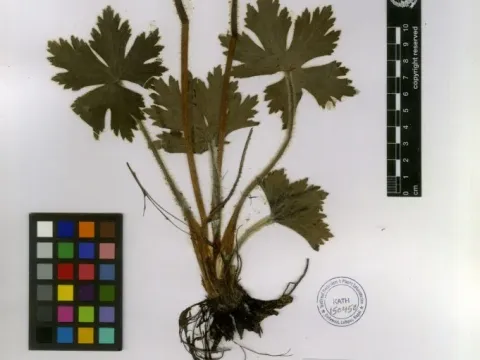
Anemone polyanthes
Anemone polyanthes
Anemone polyanthes, a member of the Ranunculaceae family, is a perennial herbaceous plant native to the alpine and subalpine regions of the Himalayas. Its natural habitat is characterized by cool temperatures and significant precipitation.
What the section contains
Anemone polyanthes
The cultivation of this plant requires well-drained, fertile soil with a neutral to slightly acidic pH level. It is essential to ensure that the site provides excellent drainage to prevent root rot during the dormant or wet seasons.
Botanically, it features a robust rhizome system and a basal rosette of leaves. The flowering stalks can reach a height of up to 60 centimeters, supporting an umbel-like inflorescence of numerous white flowers that bloom in late spring.
In garden settings, this species thrives in partial shade. Excessive exposure to intense midday sun can lead to leaf scorching and premature wilting, making it ideal for north-facing slopes or shaded borders.
The plant is highly valued for its aesthetic appeal in rock gardens and alpine beds. It remains a botanical curiosity and a desirable choice for collectors of high-altitude flora seeking unique landscape elements.
The most common threats to Anemone polyanthes include fungal pathogens that thrive in humid conditions, specifically root rot and powdery mildew. Proper airflow around the foliage is crucial for prevention.
Pests such as leaf nematodes and mollusks like slugs and snails represent significant risks. They can cause severe damage to the foliage and buds, particularly during periods of high humidity and rainfall.
Management of fungal issues involves the application of appropriate systemic fungicides and ensuring optimal drainage. Reducing soil compaction is also a key strategy to maintain healthy root systems.
Control of slugs and snails can be achieved through physical barriers, such as gravel mulching, or by utilizing integrated pest management strategies to avoid chemical runoff in the garden environment.
Sanitation practices are essential for long-term health, including the regular removal of dead leaves and organic debris from the base of the plant to limit the potential breeding sites for pests and pathogens.