
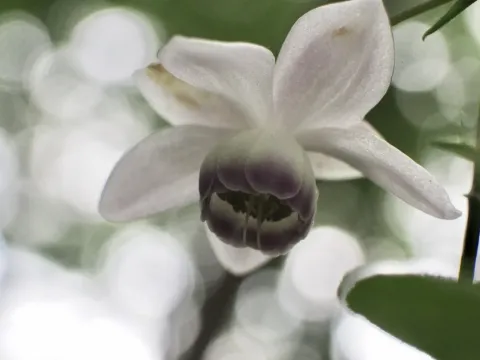
Anemonopsis macrophylla
Anemonopsis macrophylla
Sowing seeds of Anemonopsis macrophylla is best performed in late autumn directly into the ground or containers, as the seeds require a period of cold stratification to germinate. Spring sowing often yields poor results if seeds have not been exposed to cold temperatures beforehand.
What the section contains
Anemonopsis macrophylla
Using freshly harvested seeds significantly improves germination rates; therefore, sowing immediately after the seeds ripen is highly recommended. The soil mixture should be loose, airy, and rich in organic matter to mimic the natural forest floor.
Seeds should be covered only lightly with a thin layer of vermiculite or sand, ensuring they still receive a small amount of light. Containers should be kept in a shaded area to maintain consistent moisture throughout the long germination period.
Germination is often slow, requiring patience and consistent soil moisture until the first true leaves emerge. Pricking out should be done carefully when the seedlings reach the two-leaf stage, ensuring the fragile root system remains intact.
Young plants typically require a period of growth in a nursery or separate pots for one to two years before being permanently transplanted into the garden.
Anemonopsis macrophylla, a member of the Ranunculaceae family, originates from the mountainous forests of Japan, defining its specific environmental needs. The plant thrives in shaded or semi-shaded garden spots, protected from intense, direct midday sun.
This species demands specific soil conditions: moist, loose, and acidic or slightly acidic, enriched with leaf mold or peat. Waterlogging is detrimental to its roots, so effective drainage is essential in heavier soil types.
Ideal climate conditions involve moderately cool summers and high humidity. In regions with hot, dry summers, cultivation is challenging and necessitates frequent irrigation and a thick layer of mulch around the base of the plant.
Routine care includes moderate watering without allowing the soil to become sodden, supplemented by balanced mineral fertilizers during the spring and summer. Avoid liming the soil, as this plant is sensitive to high calcium levels.
Winter protection is crucial, particularly in colder regions with little snow cover. A generous layer of organic mulch, such as fallen leaves or conifer boughs, should be applied to protect the rhizomes from temperature fluctuations.
Slugs and snails are the primary pests of Anemonopsis macrophylla, as they are drawn to its soft leaves and delicate stems in humid woodland conditions. Traps or specific molluscicide pellets are effective for controlling these infestations.
Poor soil drainage and constant overwatering can lead to fungal issues, such as root rot or fusarium wilt. Prevention is key, involving careful monitoring of soil moisture and the timely application of fungicides if symptoms of wilting appear.
Powdery mildew may develop if there are significant temperature swings or insufficient air circulation around the plants. Pruning affected foliage and improving airflow are essential steps in managing this condition.
Aphids and other sap-sucking insects can occasionally infest new flower stalks. In cases of significant infestation, systemic insecticides applied in the early morning or evening are recommended.
Overall plant health is significantly bolstered by maintaining proper spacing and ensuring the area is free of invasive weeds that compete for moisture and essential nutrients.