
Anemone raddeana
Anemone raddeana
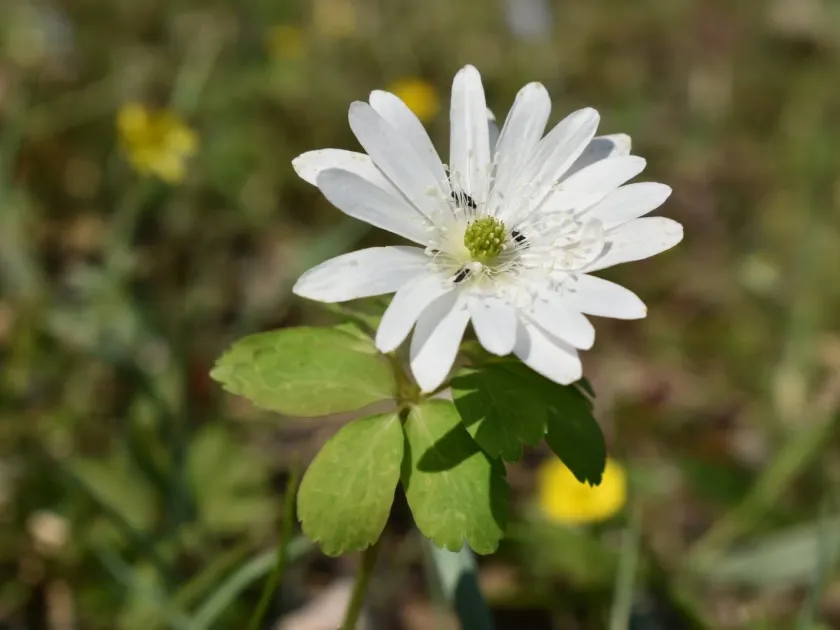
Description
Sowing dates
Anemone raddeana is a spring ephemeral, and the most favorable time for planting its rhizomes in open ground is late summer or early autumn. This period allows the plant to root effectively before the winter dormancy sets in.
Propagation by seeds is a complex process as they lose viability quickly. It is highly recommended to sow freshly harvested seeds immediately into a lightweight, nutrient-rich substrate rather than storing them.
When dividing the clumps, it is crucial to keep the rhizomes intact and moist. Planting should be done at a depth of about 5–8 centimeters, ensuring enough space between the plants to support healthy leaf development.
After planting, it is beneficial to apply a layer of mulch. This practice helps maintain a stable microclimate and protects the renewal buds from the drastic temperature fluctuations often observed in the early spring season.
Since the active growth phase begins immediately after snowmelt, any soil disturbance or transplantation in the spring should be strictly avoided to prevent damaging the sensitive root system and ensure vigorous growth.
Growing requirements
To cultivate Anemone raddeana successfully, choose sites with excellent drainage and moderate moisture levels. The plant thrives in loose, humus-rich soil with a neutral to slightly acidic pH level.
The species is shade-tolerant and performs best in partial shade, such as under the canopy of deciduous trees or shrubs. Excessive direct sunlight can shorten the blooming period and cause the foliage to wither prematurely.
The plant is highly sensitive to both waterlogging and prolonged drought. Maintaining consistent soil moisture during the active vegetative growth phase in early spring is vital for optimal development and flower production.
Organic fertilization, such as adding well-rotted compost or leaf mold, is ideal for this culture. These amendments provide necessary nutrients without overloading the soil with salts, which could negatively affect the plant's health.
This species is well-adapted to cold climates and survives winter successfully without additional protection. A natural layer of leaf litter on the surface serves as an excellent insulator, protecting the rhizomes from frost.
Main diseases and pests
The primary threat to the health of Anemone raddeana is root rot, which typically occurs due to poor soil drainage or excessive irrigation. Maintaining an appropriate moisture balance is the most effective preventative measure.
In humid conditions, powdery mildew can affect the leaves. To mitigate this risk, it is important to ensure good air circulation around the plants and remove any diseased or dead foliage promptly.
Slugs and snails are the most common pests, as they feed on the succulent young leaves and buds during the spring. Mechanical barriers or approved molluscicides can be used to protect the plants from these invertebrates.
Nematodes can also cause damage, leading to stunted growth and leaf distortion. If an infestation is detected, the affected plants must be removed and the surrounding soil replaced to prevent further spread.
Proactive care, including proper site selection and sanitation, is key to preventing disease. By creating an environment that mimics the plant’s natural habitat, the risk of pests and pathogens is significantly minimized.