
Anemonella
Anemonella
Description
Growing requirements
Anemonella is a genus of small herbaceous perennials belonging to the Ranunculaceae family. Native to the woodlands of North America, this plant is valued for its delicate beauty and suitability for shaded garden spots.
The plant thrives in partial shade, mimicking the conditions of an open woodland floor. Direct sunlight can scorch the foliage, so it is best planted under the canopy of deciduous trees or in sheltered northern-facing beds.
Soil requirements are quite specific: Anemonella needs moist, well-drained, and nutrient-rich soil high in organic matter. A loose, loamy structure is ideal to support the development of its fragile, tuberous roots.
Temperature and climate conditions are favorable for temperate regions. The plant is hardy and requires cool, moist springs to trigger its blooming cycle. It dislikes hot, dry summers and will often go dormant early if conditions become too harsh.
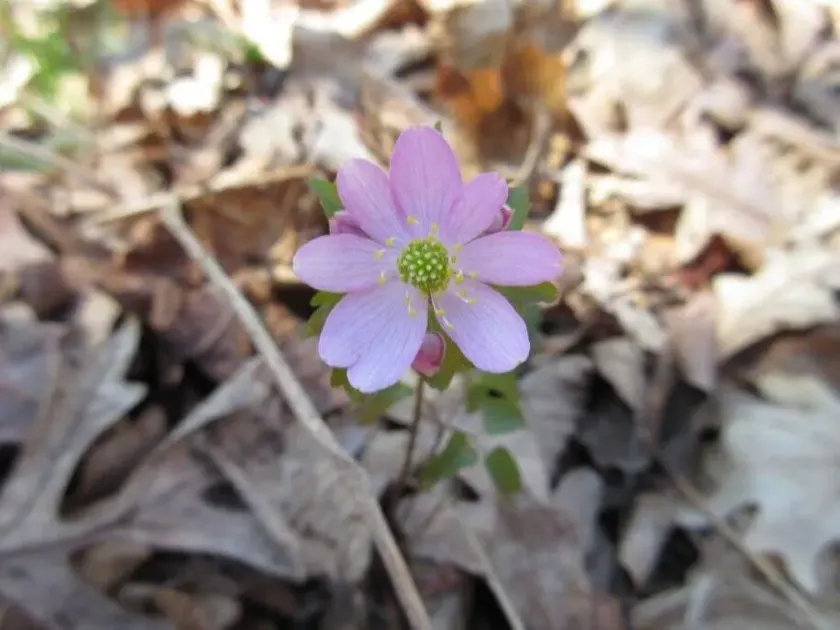
Botanically, the plant is characterized by its trifoliate, maidenhair-like leaves and dainty white to light pink flowers. It is a slow-growing species, often taking time to establish in a new garden environment.
Main diseases and pests
Diseases like powdery mildew are common when air circulation is poor or humidity levels remain static for long periods. Ensuring spacing between plants can help reduce the risk of fungal infections significantly.
Slugs and snails are the most prominent pests, particularly in early spring. These creatures find the succulent leaves of Anemonella very appealing, making protective measures such as physical barriers essential in moist gardens.
Root rot is a major threat caused by overwatering or poorly drained soil. Since the tuberous roots are sensitive to rot, soil moisture levels should be monitored closely to ensure the roots do not remain soggy.
Aphids might infest the foliage during the growing season. While usually not lethal, they can reduce the plant's vigor. Organic insecticidal soaps can be used for spot treatment if the population becomes problematic.
Maintaining a clean garden bed by removing debris and weeds helps decrease the habitat for pests and pathogens, keeping the Anemonella patch healthy throughout the growing season.