
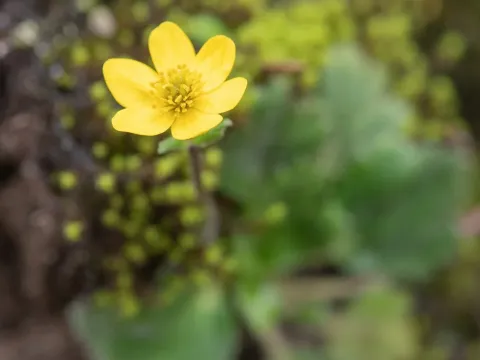
Anemone trullifolia
Anemone trullifolia
Anemone trullifolia is a perennial herbaceous plant belonging to the Ranunculaceae family. Native to high-altitude regions such as the Himalayas and Tibet, this species has evolved to thrive in cool, mountain environments, often inhabiting alpine meadows and rocky slopes.
What the section contains
Anemone trullifolia
The cultivation of this plant requires a cool climate, as it is highly sensitive to heat and poor air circulation. In a garden setting, it is best suited for rock gardens or cool, shaded spots where the temperatures remain moderate throughout the growing season.
Soil requirements are quite specific: the substrate must be light, porous, and well-drained. A mix that mimics alpine soil, often including grit or perlite, is recommended to ensure that excess water drains away quickly to prevent crown and root rot.
Botanically, the species is defined by its distinctive spoon-shaped basal leaves. The flowers are typically solitary, displaying the delicate grace typical of high-altitude flora. These features make it a prized plant for enthusiasts of alpine botany and rare plant collectors.
The main horticultural use for Anemone trullifolia is decorative. Due to its specific growth requirements and unique appearance, it is frequently used in specialty rockeries and alpine houses where its natural beauty can be appreciated in a controlled and suitable environment.
The primary threats to this plant are fungal infections such as root rot, which are often exacerbated by poor drainage and excessive moisture during the dormant season. Ensuring excellent aeration and avoiding overhead irrigation can significantly reduce the risk of these issues.
Pest threats include slugs and snails, which find the succulent, spoon-shaped leaves particularly attractive. Integrated pest management, including regular monitoring and the use of physical barriers or targeted baits, is essential to protect the health and vigor of the plants.