
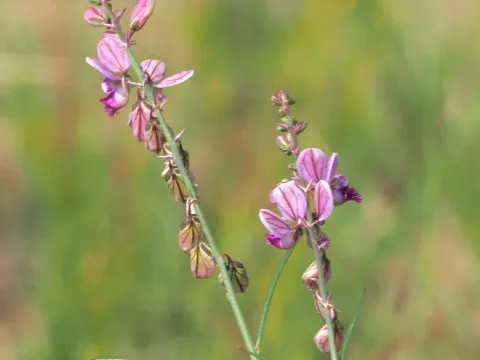
Hottentot snakeroot
Polygala hottentotta
Hottentot snakeroot (Polygala hottentotta) is a perennial herbaceous plant belonging to the Polygalaceae family. Native to the southern regions of Africa, this plant has adapted to harsh environmental conditions, including arid savannas and rocky landscapes.
What the section contains
Hottentot snakeroot
The culture thrives in well-drained, sandy, or stony soils with a neutral pH level. Its deep root system allows it to access moisture in dry periods, making it highly drought-tolerant compared to more traditional agricultural crops.
Optimal growth requires full sun exposure throughout the day. Sufficient solar radiation is critical for the metabolic processes of the plant and for increasing the concentration of essential chemical compounds often sought for medicinal use.
The ideal temperature range for cultivation is between 20°C and 30°C. As a heat-loving species, Polygala hottentotta cannot withstand freezing temperatures and requires a climate that remains warm throughout the growing season to reach maturity.
Agricultural management should prioritize drainage over irrigation. Overwatering is the most common cause of plant failure, as it promotes hypoxia in the root zone and creates favorable conditions for pathogenic soil fungi.
Root rot caused by stagnant water is the primary pathological threat to Hottentot snakeroot. Proper field leveling and soil structure management are essential to prevent water accumulation during unexpected heavy rainfall events.
Insects such as aphids and spider mites are frequent pests that target the foliage. These infestations can significantly reduce the photosynthetic capacity of the plant and hinder the development of the root system.
Weed control is mandatory during the establishment phase. Because the plant grows relatively slowly from seed, weeds can easily outcompete it for nutrients and space if the field is not managed properly during the first few weeks.
Fungal leaf spots can occasionally occur if there is high humidity coupled with poor air circulation around the plants. Providing adequate spacing between plants is a recommended practice to improve ventilation and reduce disease pressure.
Integrated pest management, including biological controls and selective mechanical weeding, is the preferred strategy for maintaining the health of the plantation while ensuring the quality of the raw herbal material.