
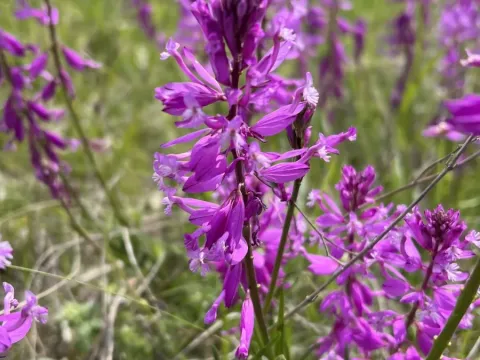
Large milkwort
Polygala major
Large milkwort (Polygala major) is a herbaceous perennial plant belonging to the Polygalaceae family. Native to the mountainous and forest regions of Southern and Central Europe, it is valued for its pharmacological potential and unique botanical structure.
What the section contains
Large milkwort
The crop thrives in sunny, well-drained habitats. It requires light, neutral to slightly alkaline soils that provide good aeration. Stagnant water is detrimental to the root system, so selecting elevated or sloping land is highly recommended for commercial cultivation.
Temperature requirements are moderate, with the plant performing best in regions characterized by warm summers and mild winters. It is inherently drought-tolerant, making it a sustainable crop for areas facing irregular rainfall patterns if established correctly.
Soil management for Polygala major involves maintaining a loose structure. Frequent cultivation between rows is essential during the first vegetative phase to minimize soil compaction and allow the root system to expand without hindrance.
The plant’s primary utility lies in its secondary metabolites, particularly saponins, which are extracted for pharmaceutical use. Proper cultivation practices directly influence the concentration of these active compounds, necessitating strict adherence to site preparation guidelines.
Root rot is the most significant disease affecting the crop, typically triggered by high humidity levels or poor drainage. Providing excellent site conditions is the primary preventive measure against fungal pathogens in the soil.
Pests such as aphids and spider mites can severely impact the quality of the foliage. Regular inspection is required, especially during dry spells, to identify infestations before they cause irreversible damage to the harvestable biomass.
Weed management remains the most labor-intensive part of Polygala farming. Because the plant grows relatively slowly in its first year, it cannot compete with aggressive weeds, which must be controlled manually or through careful mechanical cultivation.
Biotic stressors are managed through crop rotation and by ensuring that the plants are not overcrowded. Maintaining optimal spacing between rows encourages air circulation, which naturally lowers the risk of mildew and other moisture-related diseases.
It is important to avoid excessive chemical fertilizer application, as it stimulates lush vegetative growth that attracts more pests and makes the plant more susceptible to disease outbreaks. A balanced nutritional approach ensures stronger, more resilient plants.