
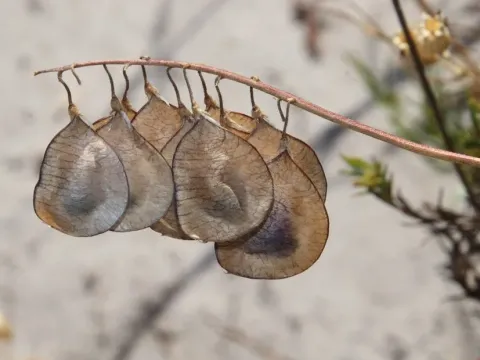
Lessertia
Lessertia
Lessertia, a genus within the legume family, requires precise timing for successful establishment. Planting should occur during the spring, once the soil temperature consistently reaches 12 to 15 degrees Celsius to encourage uniform germination.
What the section contains


Lessertia
Before sowing, it is essential to prepare the seeds by scarification if they possess a hard seed coat, which is typical for many species in this genus. This practice significantly improves water absorption and initial seedling vigor.
The optimal planting depth is generally 2 to 4 centimeters, depending on the soil texture. In lighter, sandy soils, a slightly deeper placement ensures better moisture contact, which is vital during the early stages of growth.
Row spacing should typically be set between 30 and 45 centimeters. Proper spacing allows for efficient weed control and provides sufficient airflow between plants, which is crucial for preventing fungal infections.
In regions prone to drought, farmers are encouraged to plant as early as possible to leverage stored winter moisture. This strategy allows the root system to establish well before the onset of extreme summer heat.
Lessertia thrives in well-drained, neutral to slightly alkaline soils. The crop is highly sensitive to waterlogging, making proper drainage systems or elevated field selection mandatory for ensuring the crop's long-term health.
This crop is well-known for its exceptional drought tolerance, adapting well to environments where water availability is limited. Its deep taproot system allows it to extract nutrients and moisture from lower soil horizons.
Full sun exposure is required for maximum biomass production and efficient nitrogen fixation. While Lessertia can tolerate partial shade, productivity significantly decreases when the plant is not exposed to direct solar radiation.
The plant performs best within a temperature range of 20 to 28 degrees Celsius. While it is hardy, young plants are vulnerable to hard frosts; therefore, avoiding planting dates that fall during late frost periods is advised.
Nitrogen fixation is facilitated by symbiotic bacteria in root nodules. Maintaining soil health through moderate organic inputs can support these beneficial microorganisms, reducing the need for synthetic nitrogen fertilizers.
Root rot represents a primary threat to Lessertia, particularly when soil moisture management is neglected. Improving field drainage is the most effective preventative measure against these soil-borne fungal pathogens.
Leaf-feeding insects, such as weevils, can cause substantial damage during the seedling phase. Integrated pest management, including regular crop monitoring and biological controls, is recommended to mitigate these risks effectively.
Aphids can pose a significant problem, as they suck sap from the tender parts of the plant and can transmit viral diseases. Managing populations early through physical monitoring is often sufficient to prevent outbreaks.
Powdery mildew can occur in areas with high humidity and limited air movement. Ensuring proper plant density and selecting disease-resistant cultivars (where available) helps maintain a healthy crop stand.
Soil-borne pests like nematodes can sometimes affect development, particularly in continuous cropping scenarios. Rotating Lessertia with non-leguminous crops is a standard practice to disrupt pest life cycles and maintain soil productivity.