
Polygala acicularis
Polygala acicularis
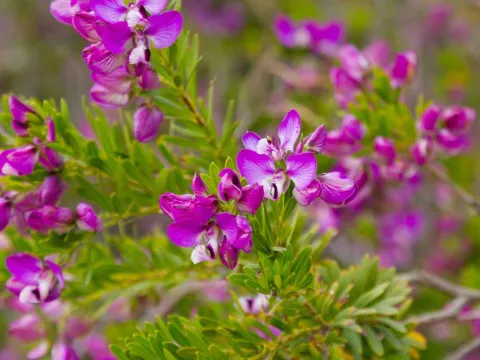
Polygala acicularis, commonly known within its genus as a needle-leaved milkwort, belongs to the Polygalaceae family. This species is native to specific habitats characterized by rocky terrain and sandy soils, demonstrating remarkable hardiness.
What the section contains
Polygala acicularis
To successfully cultivate this crop, one must ensure a substrate that mimics its natural environment: well-drained, porous, and relatively low in organic matter. Avoid heavy clay soils that retain moisture, as they frequently lead to root rot.
The plant requires full sun exposure to maintain its characteristic compact habit and healthy development. It thrives in open fields where sunlight is abundant throughout the entire day, promoting better vegetative growth.
Botanical traits of Polygala acicularis include thin, needle-like foliage and small, persistent flowers. These features indicate the plant's adaptation to arid and semi-arid climates, where transpiration must be reduced to a minimum.
Regarding agrotechnical practices, cultivation should focus on site preparation that includes thorough weed control before seeding. Once established, the plants are quite self-sufficient and require very little supplemental intervention.
The primary agricultural threats to this species are fungal infections associated with excessive humidity. Specifically, phytophthora and other soil-borne pathogens can destroy the root system if drainage is inadequate.
Pest management is often focused on controlling aphids and spider mites during periods of high temperature and low rainfall. Integrated pest management (IPM) strategies are recommended to maintain plant health.
Competition from aggressive, invasive weed species poses a constant risk to the survival of young Polygala acicularis plantings. Mechanical weeding or careful mulching can help protect the crop during its establishment phase.
Environmental stress, such as unseasonal frosts combined with high moisture, can damage the foliage. Providing proper air circulation around the plants is essential for maintaining a healthy micro-climate.
Standard monitoring for early signs of wilting or discoloration is advised. Identifying the initial symptoms allows for swift corrective actions, such as improving drainage or applying targeted biological treatments.