
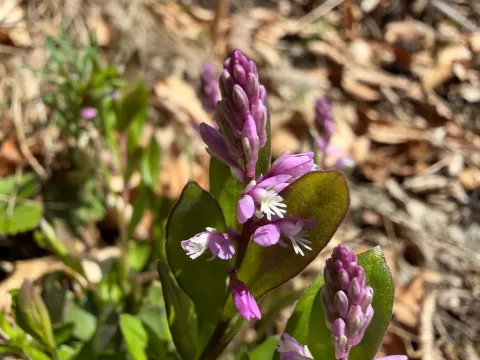
Bitter milkwort
Polygala amarella
Bitter milkwort (Polygala amarella) is a perennial herbaceous plant from the Polygalaceae family. It is typically found in temperate regions, thriving in moist habitats such as alkaline meadows and calcareous fens where mineral content is sufficiently high.
What the section contains
Bitter milkwort
The agronomic requirements for this species focus heavily on soil quality. It demands a substrate rich in calcium and organic matter. Maintaining a neutral to slightly alkaline pH is essential for the healthy physiological function of the plant's root system.
Water management is the most critical aspect of field cultivation. Polygala amarella requires a constant supply of moisture but fails to thrive in waterlogged conditions. A well-draining yet moisture-retentive soil profile is the standard recommendation for productive farming.
Botany-wise, the plant is characterized by a basal rosette of leaves and short stems producing dense racemes of small flowers. Due to its slow initial growth rate, it requires a clean, weed-free environment to avoid being smothered during the establishment phase.
In terms of economic use, the plant is harvested for its saponin-rich roots. These compounds are highly valued in the pharmaceutical industry for their pharmacological properties, particularly in respiratory medication production.
Root rot is the primary disease threat for Polygala amarella. It is triggered by poor soil aeration and water stagnation, which allows soil-borne pathogens to attack the delicate root system of the crop.
Pests such as aphids pose a significant risk, especially during the flowering stage. Infestations can drain the plant's resources and reduce the active ingredient content in the roots, which directly affects the harvest value.
Powdery mildew is a common fungal concern when plants are grown in tight spacing with limited air movement. Consistent humidity fluctuations facilitate the rapid spread of this fungal pathogen across the plot.
Slug and snail damage is particularly problematic for young seedlings. These pests feed on the succulent basal leaves, which can severely stunt the plant's growth or cause complete mortality of the crop in its first year.
Integrated pest management is essential for this crop. Because it is intended for medicinal use, the application of chemical insecticides should be avoided in favor of physical barriers and biological controls to ensure product purity.