
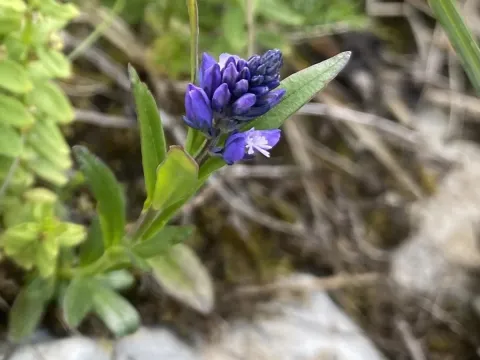
Alpine milkwort
Polygala alpicola
Alpine milkwort (Polygala alpicola) is a perennial herbaceous plant belonging to the Polygalaceae family. It is a specialized species native to high-altitude mountain ecosystems, displaying significant adaptations to alpine environmental stressors.
What the section contains
Alpine milkwort
The cultivation of this plant requires a deep understanding of its natural niche. It thrives in well-drained, rocky, or sandy soils with a neutral or slightly acidic pH level. Excessive soil moisture is the primary factor limiting the success of this crop.
Climate requirements for this plant include cool ambient temperatures and high solar exposure. It is highly resistant to freezing conditions but struggles in regions with hot, humid summers where fungal pathogens can thrive.
Agronomic management should focus on maintaining a low-nutrient environment, as the plant is adapted to poor soils. Over-fertilization can result in weak vegetative growth and increased susceptibility to physiological disorders.
Good ventilation is essential in commercial or garden settings to mimic the constant airflow found in high-altitude habitats. This prevents humidity-related diseases and keeps the plant's dense foliage dry.
Root rot is the most devastating threat to Alpine milkwort, typically occurring in poorly drained soils. Once the root system is infected by soil-borne pathogens, the plant recovery is usually limited.
Powdery mildew represents a recurring issue in greenhouses or areas with stagnant air. Management involves improving air circulation and utilizing light pruning to ensure the internal parts of the plant receive adequate airflow.
Aphids can colonize the plant during the early growth stages, causing stunting and yellowing of the leaves. Manual removal or the application of insecticidal soaps are recommended for early infestations.
Rust diseases can spread rapidly in dense plantings during moist, cool weather. Proper sanitation practices, such as removing infected leaves, are vital to control the spread of the fungus.
Soil-dwelling larvae can damage the roots, providing an entry point for secondary bacterial infections. Soil solarization or the use of sterile growing media is a recommended preventive strategy for greenhouse production.