
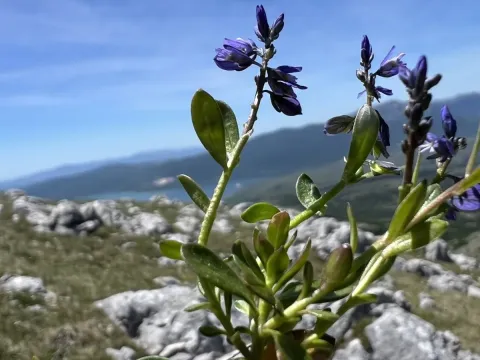
Alpine Milkwort
Polygala alpestris
Alpine Milkwort (Polygala alpestris) is a perennial herbaceous plant belonging to the Polygalaceae family. It is native to the mountainous regions of Central and Southern Europe, primarily thriving in alpine meadows and rocky slopes.
What the section contains
Alpine Milkwort
This crop requires specific environmental conditions to thrive, favoring cooler temperatures and high light intensity. It is well-adapted to high-altitude climates characterized by significant temperature fluctuations between day and night.
In terms of soil requirements, Alpine Milkwort performs best in well-drained, slightly alkaline or neutral soils. It is highly intolerant of waterlogging, which often leads to root collar decay, so site selection with excellent natural or artificial drainage is critical.
Cultivation practices involve maintaining low weed competition and ensuring adequate spacing between plants to promote air circulation. As a perennial crop, it requires minimal soil disturbance once established but benefits from occasional organic fertilization.
The plant has historical and potential modern usage in pharmacology due to the presence of secondary metabolites, specifically saponins. Research into its medicinal properties continues to make it a subject of interest for small-scale botanical production.
Common threats to the crop include fungal pathogens that develop under conditions of poor soil aeration and excessive humidity, often manifesting as root rots or soil-borne diseases.
Pest pressure is generally moderate, though aphid infestations and spider mite outbreaks in drier seasons can impair photosynthetic efficiency and impact overall plant vigor.