
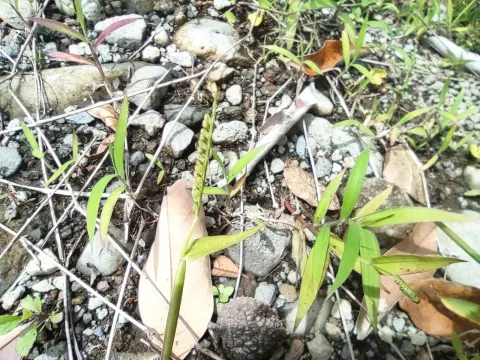
Paspalum nutans
Paspalum nutans
Paspalum nutans belongs to the Poaceae family. In regions with favorable climates, seeding is typically carried out in the spring when soil temperatures consistently rise above 15 degrees Celsius.
What the section contains
Paspalum nutans
Successful germination requires stable soil moisture during the first two to three weeks after sowing. The optimal seeding depth is 1 to 2 centimeters, as the seeds are quite small and sensitive to deep planting.
Cultivation technology involves careful soil preparation, ensuring the land is leveled and cleared of competing weeds. A row-seeding method with approximately 20-centimeter intervals between rows is recommended to ensure an optimal feeding area for each plant.
In intensive farming, overseeding into existing stands is possible to increase productivity. It is essential to follow recommended seeding rates based on the germination percentage of the seed batch and the intended use of the crop.
After sowing, rolling the field is recommended to improve seed-to-soil contact and promote capillary moisture flow to the seeds. Early planting dates facilitate stronger root system development before the onset of summer heat.
This crop is thermophilic and prefers well-lit areas. The optimal temperature range for active vegetative growth is between 20 and 30 degrees Celsius.
Paspalum nutans requires consistent moisture, favoring damp soils while poorly tolerating prolonged waterlogging. It develops best in fertile loam soils with a neutral to slightly acidic pH.
To achieve high biomass yields, regular nitrogen fertilization during the active tillering phase is necessary. Good agricultural practice also involves periodic inter-row cultivation to enhance soil aeration for the root system.
In regions with distinct dry seasons, irrigation is required to maintain plant turgor. The crop is sensitive to severe frost, making it suitable primarily for tropical and subtropical latitudes.
The plant shows moderate tolerance to soil salinity, allowing it to be used for land reclamation. In crop rotation, Paspalum acts as an excellent predecessor that improves soil structure due to its strong, fibrous root system.
The agricultural use of Paspalum nutans is primarily focused on creating highly productive pastures. The green mass is noted for its good palatability, ensuring a high consumption rate by livestock.
Crop yields depend heavily on the intensity of use and the level of agronomic care. With managed grazing cycles and adequate mineral fertilization, multiple harvests or grazing events can be achieved in a single growing season.
The nutritional value remains high until the flowering phase. During this period, the protein content in dry matter reaches optimal levels for cattle feed.
An additional advantage is the plant's ability to regrow rapidly after grazing or mowing. This allows for efficient utilization of land throughout the warmer months of the year.
To maximize productivity, rotational grazing methods are recommended, allowing areas to rest until the pasture reaches optimal height. Average yield indicators vary depending on the climate zone and soil composition.
Paspalum nutans possesses natural resistance to many common cereal diseases. However, poor agricultural management, particularly overwatering, can lead to fungal infections.
The most common threats include leaf spot diseases caused by various pathogenic fungi. Such infections reduce photosynthetic activity and decrease the overall productivity of the pasture.
Pests such as aphids and leafhoppers, which are common to grasses, may pose a risk and potentially act as vectors for viral diseases. Regular monitoring of the field allows for early detection of infection spots.
Weed interference is most significant during the seedling stage when the crop is still developing. Timely weeding and maintaining optimal plant density help control weed infestation effectively.
Disease prevention involves using high-quality seeds and maintaining optimal plant spacing. In rare cases of severe infestation, the use of approved fungicides is permitted in strict accordance with safety regulations.