
Paspalum malacophyllum
Paspalum malacophyllum
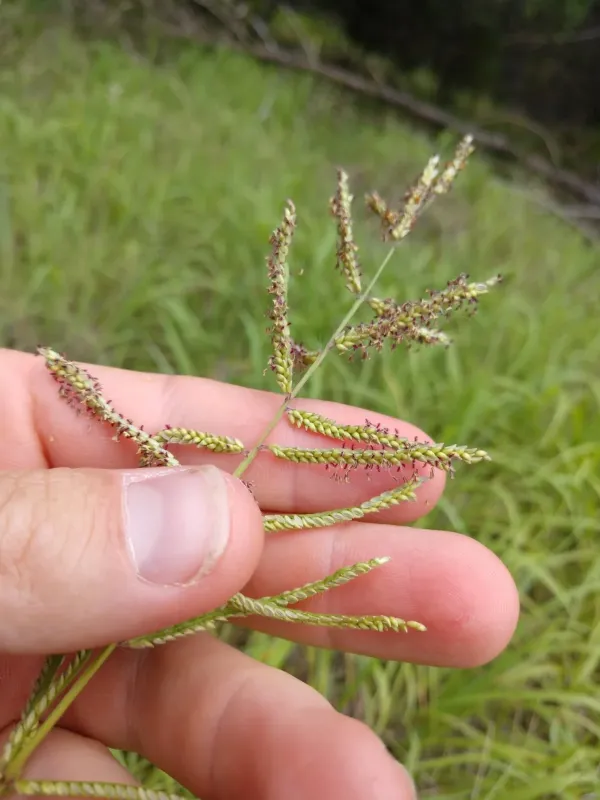
Description
Growing requirements
Paspalum malacophyllum is a perennial grass species belonging to the Poaceae family. Originating from South America, this grass is predominantly found in savannas and open woodlands across Brazil, Paraguay, and Bolivia, where it serves as a vital part of the local flora.
The plant is characterized by its robust root system and upright growth habit. Its common name, "malacophyllum," refers to the soft texture of its leaves, which makes it highly palatable for livestock grazing, providing a high-quality forage option.
This grass thrives in well-drained, fertile soil. While it possesses moderate drought tolerance, its productivity is optimized in environments with well-distributed rainfall throughout the growing season, which is typical of its native tropical climate.
Botanical features include broad leaves and a significant biomass production capacity. It is adapted to high light conditions and is recognized for its ability to regrow vigorously after grazing or mowing, provided that the soil nutrient levels are maintained.
In terms of agricultural utility, it is widely utilized for pasture development and hay production. It is considered a resilient species within its range, capable of sustaining livestock herds through various seasonal conditions.
Main diseases and pests
Like many species within the Paspalum genus, Paspalum malacophyllum can be susceptible to various fungal pathogens. Leaf spot and rust are the most common diseases that can affect both yield quality and quantity during humid periods.
Insect pests, particularly caterpillars and other leaf-chewing insects, pose a potential threat to biomass production. Monitoring fields during the peak growing season is essential for implementing effective management practices.
Weed competition is a critical challenge during the establishment phase. Because the initial growth of this grass can be relatively slow, it is important to prepare the seedbed thoroughly and manage weed interference early on.
Overgrazing represents a significant threat to the longevity of the stand. If animals are allowed to graze too close to the soil surface for extended periods, the plant's ability to regenerate its root reserves and leaves is compromised.
Integrated pest management, combined with proper fertilization, is the best strategy to maintain the health of the crop. Balanced nutrient levels ensure that the plants are more resistant to the stressors associated with diseases and pests.