
Paspalum microstachyum
Paspalum microstachyum
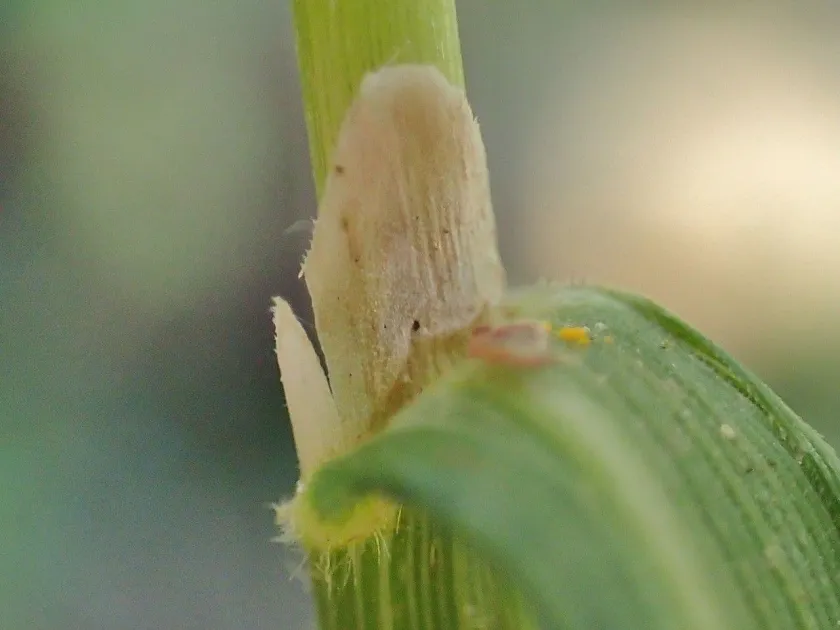
Description
Growing requirements
Paspalum microstachyum is a perennial grass species belonging to the Poaceae family. It is a significant component of tropical and subtropical grasslands, widely recognized for its ecological and agricultural adaptability.
Originating from South America, this grass is naturally found in regions of Brazil, Argentina, and Paraguay. It thrives in diverse environments, demonstrating a remarkable tolerance for wet soils and periodic seasonal flooding.
The crop requires full sun exposure and warm temperatures to achieve optimal biomass production. Its growth cycle is synchronized with the tropical wet season, during which it exhibits rapid vegetative development.
Botanically, the plant is characterized by its robust root system and dense tillering habit. The leaves are typically linear, while the inflorescence consists of racemes with small, distinct spikelets that give the species its specific name.
In agricultural practice, this species is primarily utilized for livestock grazing. Its ability to withstand trampling and rapid regrowth makes it an excellent choice for sustainable pasture management in warm climates.
Main diseases and pests
Fungal diseases are the primary threat to the health of Paspalum microstachyum, particularly in regions with high humidity levels. Rust and leaf spot pathogens can significantly reduce the nutritional value of the forage.
Pest pressure is often dominated by sap-sucking insects, including various species of leafhoppers. These pests can cause significant structural damage and may also transmit viral diseases within the stand.
Proactive management involves ensuring proper grazing intervals to prevent the accumulation of dead plant material, which often serves as a reservoir for pathogens and pests.
Maintaining soil fertility through appropriate fertilization is essential, as vigorous plants are naturally more resistant to infestations and infections compared to stressed individuals.
In cases of severe outbreaks, agricultural producers must rely on integrated pest management strategies. Careful selection of authorized chemicals and adherence to safety guidelines are mandatory to ensure the safety of grazing animals.