
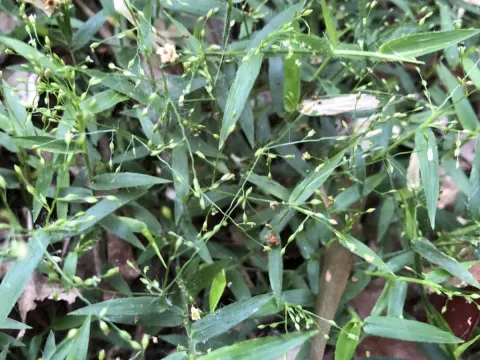
Pygmy millet
Panicum pygmaeum
Sowing of pygmy millet (Panicum pygmaeum) should be scheduled when the soil temperature consistently reaches 12–15°C. This timing is essential for rapid and uniform germination of the seeds.
What the section contains
Pygmy millet
Avoid planting in cold or waterlogged soil, as seeds are susceptible to decay under such conditions. Optimal sowing dates generally fall in late spring depending on the specific climate zone.
Seed depth should be maintained between 2 to 4 centimeters. Applying light pressure with a roller after sowing can enhance soil-to-seed contact, significantly improving emergence rates in drier environments.
The seeding rate varies based on the cultivation goal, whether it is for biomass production or seed multiplication. Row spacing typically ranges from 15 to 30 centimeters to allow for efficient weeding.
Proper timing ensures that the plant avoids late spring frosts while maximizing the growing period available before the heat of mid-summer peaks.
Pygmy millet is a member of the Poaceae family, known for its resilience and ability to thrive in diverse environmental conditions. It is particularly valued for its drought tolerance.
This crop prefers well-drained, sandy loam soils. It does not perform well in heavy clay soils or areas prone to waterlogging, as these conditions inhibit root health and growth.
The ideal soil pH for Panicum pygmaeum is between 6.0 and 7.5. It is relatively adaptive to various soil types, provided there is adequate aeration for the root system.
Light intensity is a critical factor for development, as pygmy millet requires full sun to reach its full yield potential. Shade should be avoided during site selection.
While the plant is hardy, nutrient management through balanced fertilization is beneficial during the vegetative growth phase. However, excessive nitrogen should be avoided to prevent lodging.
Yield results for pygmy millet are highly dependent on the level of management and soil fertility. In ideal conditions, green biomass can yield 15–25 metric tons per hectare.
Seed production is consistent, making it a reliable crop for farmers who prioritize stable yields over high-input, high-risk alternatives. Regular field monitoring is essential for optimal harvest.
To maximize yields, weed control during the first few weeks of growth is mandatory. Because the plant grows slowly at the seedling stage, weeds can easily outcompete it for sunlight.
Irrigation during critical growth phases, such as tillering and grain filling, can dramatically increase output. The crop responds very well to supplemental water when rainfall is scarce.
Finally, successful yields are the result of utilizing high-quality, certified seeds and following regional agricultural guidelines tailored to local soil conditions.
Smut diseases are a primary concern for pygmy millet crops. Preventive measures, such as using high-quality fungicide-treated seeds, are essential for maintaining crop health.
Pests like grain midges and aphids can cause significant damage. Implementing an integrated pest management strategy, including timely scouting and selective insecticides, is recommended.
Root rots may occur if the soil remains excessively moist for long periods. Proper crop rotation is the best defense against soil-borne pathogens and long-term yield decline.
Weeds also serve as vectors for insects and diseases. Keeping the area free of weeds reduces the overall chemical pressure required to keep the crops healthy and productive.
Periodic monitoring for early symptoms of stress or infestation allows farmers to act before a problem becomes widespread throughout the entire field.
Harvesting for grain should occur when the crop reaches full maturity. Careful monitoring of grain moisture is necessary, as the crop should ideally be below 15% moisture for efficient storage.
For forage or silage production, the ideal time to harvest is during the heading stage. At this point, the plant provides the highest nutritional value and palatability for livestock.
Combine settings should be adjusted to prevent grain damage during harvesting. Clean, well-ventilated storage facilities are required to prevent spoilage after the grain has been collected.
The harvest must be conducted promptly to prevent yield loss due to seed shattering, which can happen if the crop is left standing too long after reaching maturity.
Post-harvest cleaning removes debris and weed seeds, ensuring the grain meets quality standards for marketing or future sowing seasons.