
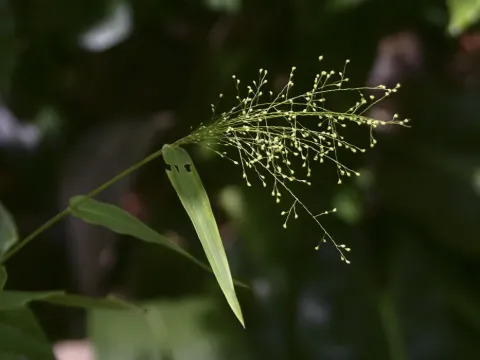
Panicum millegrana
Panicum millegrana
Panicum millegrana is a species of grass belonging to the Poaceae family. This perennial plant is recognized for its robust growth habit and is primarily studied for its potential in forage production and environmental restoration projects in specific climatic zones.
What the section contains
Panicum millegrana
Originating from the American tropics, this plant is naturally adapted to moist, humid conditions. It is typically found in floodplains and areas with significant soil moisture, which determines its primary distribution in agricultural landscapes.
The climate requirements for Panicum millegrana involve consistent temperatures and high moisture availability. It does not perform well in arid conditions; therefore, irrigation management is a crucial factor for stable yields in regions with irregular rainfall.
Regarding soil preferences, the plant thrives in rich, moist soils including silty clays and loams. It possesses a certain level of tolerance to temporary waterlogging, making it a viable option for land that is too wet for standard grain crops.
Cultivation practices should focus on establishing a healthy stand from the start. Fertilizer applications, particularly nitrogen, are essential to maximize the vegetative biomass, which is the main goal when cultivating this specific species for livestock feed.
Common diseases affecting this crop include fungal infections such as rust and various leaf blights. These are most prevalent in high-humidity environments, necessitating the selection of well-drained but fertile plots for cultivation.
Insect pests include various species of aphids and stem-boring moths. These pests can significantly weaken the plant structure, causing stunted growth and reducing the nutritional value of the foliage for forage purposes.
Integrated Pest Management (IPM) is highly recommended. This involves crop monitoring, the use of resistant varieties where available, and the application of biological controls to keep pest populations below economic damage thresholds.
Weed control is essential, especially in the early stages of establishment. Once established, the dense growth habit of Panicum millegrana helps to shade out competing weeds, but early chemical or mechanical intervention remains necessary.
Crop health is also influenced by soil compaction. Maintaining soil structure is vital for root development, which in turn improves the plant's natural resistance to environmental stress and opportunistic pathogens.