
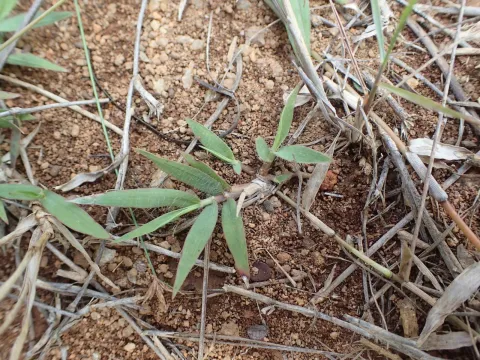
Panicum luridum
Panicum luridum
Sowing of Panicum luridum should occur when soil temperatures consistently reach 12-14 degrees Celsius, ensuring the frost-free period has begun. Planting in warm soil is essential for promoting rapid emergence and establishing a strong root system early in the season.
What the section contains
Panicum luridum
Row planting with a spacing of 15 centimeters is standard practice to manage weed competition effectively. This density allows for uniform access to nutrients and light, which is critical for maximizing biomass production in the initial growth stages.
Seeding rates typically range from 10 to 15 kilograms per hectare depending on seed viability and local soil fertility. Calibrating seeding equipment precisely ensures an even distribution of seeds, which directly impacts the potential yield of the field.
Seed depth should be strictly maintained between 3 and 4 centimeters to optimize germination speed. Placing seeds too deep can significantly delay emergence and weaken the seedlings, making them more susceptible to environmental stressors.
Post-sowing soil compaction using rollers is highly recommended to improve soil-to-seed contact. This practice facilitates better moisture uptake from deeper soil layers, leading to more uniform field emergence and reduced gaps in the crop stand.
Panicum luridum is a hardy member of the Poaceae family, known for its exceptional drought tolerance and resilience in challenging climates. These biological traits make it a versatile choice for farmers operating in semi-arid regions.
The plant thrives best in well-drained, sandy loam or light loam soils with a neutral pH. It is sensitive to waterlogging, so fields with poor drainage or high clay content should be avoided to prevent root rot and stunted growth.
As a heliophilic species, this crop requires full sun exposure throughout the day to reach its full productive potential. Adequate light intensity is fundamental for driving photosynthesis, which in turn fuels the growth of stems and seed heads.
Temperature requirements include sufficient accumulated heat units during the growing season to complete its life cycle. Rapid shifts in temperature can impact the developmental rate, so location selection should prioritize areas with stable thermal regimes.
Nutrient management is key, with phosphorus and potassium playing a vital role in root development and structural integrity. Balanced fertilization, coupled with occasional nitrogen application, ensures strong growth and maintains the crop's vitality.
Smut diseases represent a significant threat to the inflorescence, potentially destroying the seed crop if left unmanaged. Treating seeds with certified fungicides prior to planting is the most effective way to prevent these fungal pathogens.
Various insect pests, such as grass-feeding flies and stem borers, can damage plants during their vulnerable vegetative phases. Regular scouting and the use of integrated pest management strategies are crucial for maintaining healthy crop stands.
Weed interference is most problematic during the establishment phase, as the young grass competes slowly against aggressive weeds. Mechanical cultivation between rows or the use of pre-emergent herbicides can protect the crop from early suppression.
Foliar diseases, such as leaf spots, may occur in high-humidity conditions, especially when air circulation is limited. Proper crop rotation and maintaining spacing between rows help to reduce the incidence and spread of these fungal infections.
Vigilance is required throughout the growing season to identify any signs of pest outbreaks or nutrient deficiencies. Proactive management practices allow for timely interventions, safeguarding the overall quality and quantity of the harvest.
The harvest should be timed for full physiological maturity, typically when grain moisture levels drop to between 15 and 18 percent. Monitoring for grain shattering is essential, as waiting too long can result in substantial losses in the field.
Direct combining is the preferred method for harvesting to ensure high efficiency and minimal grain loss. Operators should adjust the cylinder speed and concaves to prevent cracking the seeds while maximizing the output of clean grain.
Post-harvest cleaning is necessary to remove organic debris, stalks, and weed seeds from the bulk harvest. Cleaning processes reduce the moisture content and prepare the crop for secure, long-term storage in silos or warehouses.
Drying the grain to a stable moisture content of approximately 13 percent is critical to preventing mold growth during storage. Mechanical drying systems or aeration can be used to achieve these levels safely without compromising seed quality.
Storage facilities must be kept dry, cool, and free from pests to ensure the longevity of the harvest. Regular monitoring of the stored grain helps detect early signs of heating or moisture buildup, allowing for prompt remedial action.