
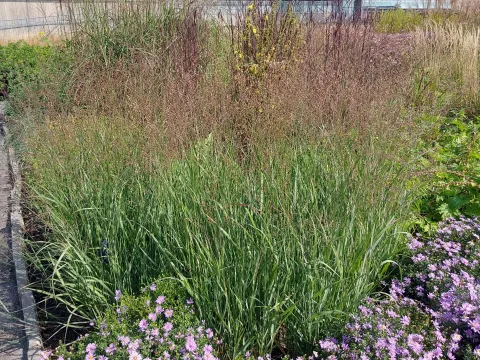
Panicum paniciformis
Panicum paniciformis
Sowing of Panicum paniciformis should be conducted in well-warmed soil, ideally when temperatures at the sowing depth reach 12–15 degrees Celsius.
What the section contains
Panicum paniciformis
The optimal planting window generally spans from late May to early June, ensuring the crop avoids damage from late spring frost events.
Proper seedbed preparation is vital; the soil should be fine-textured, loose, and possess adequate moisture to ensure rapid and uniform germination.
Seeding depth typically ranges from 2 to 4 centimeters, adjusted according to the soil structure and existing moisture levels at the planting site.
It is essential to prevent overcrowding within the rows, as excessive plant density can stunt tillering and increase competition for sunlight.
This crop belongs to the Poaceae family and is well-regarded for its exceptional drought tolerance, making it suitable for arid regions.
Panicum paniciformis thrives in light sandy loam or fertile loamy soils and responds effectively to balanced mineral fertilization programs.
The plant is highly heliophilic, requiring full sun exposure to maximize development and ensure optimal formation of reproductive structures.
It demonstrates strong adaptive traits in high-temperature environments, maintaining significant vegetative growth even during periods of intense summer heat.
The stem elongation phase is the most critical period, where consistent moisture availability is required to prevent yield loss and plant stress.
Expected yields for green biomass range from 25 to 35 tons per hectare, depending on the intensity of the implemented management practices.
Seed yield varies significantly based on seasonal weather patterns and the timeliness of agronomic interventions during the growing season.
Utilizing high-performance cultivars can substantially increase output metrics compared to utilizing wild-type or unselected populations.
Nutritional value is highest when harvested at the early panicle emergence stage, making this the preferred window for forage-oriented cultivation.
Nitrogen fertilization levels serve as the primary factor influencing total biomass accumulation and the concentration of crude protein in the final product.
Key pests include the millet midge and various species of cereal flies, which may cause damage to young seedlings during the early growth stages.
Smut diseases are the most common pathological threats, often infecting inflorescences and leading to significant reductions in seed quality.
Preventative measures must include routine seed treatment before planting and strictly adhering to crop rotation schedules to reduce pathogen pressure.
Weed competition poses a substantial threat during the first month of growth, necessitating effective weed control strategies early in the season.
In high-humidity environments combined with extreme heat, fungal leaf infections may emerge, requiring targeted fungicide applications to mitigate damage.
For forage production, harvesting should take place during the panicle emergence phase to ensure a balance of sugars and digestible fiber.
When harvested for seeds, growers should wait until the panicles are fully mature, aiming for grain moisture levels below 16 percent for safe storage.
Windrowing is a recommended harvesting method to ensure uniform drying, especially in fields with non-uniform maturity levels.
Prompt processing and transport of the harvested biomass are crucial to maintaining nutrient density and preventing post-harvest degradation.
Post-harvest conditioning includes cleaning and drying seeds to reach a stable moisture content of 14 percent for long-term warehouse storage.