
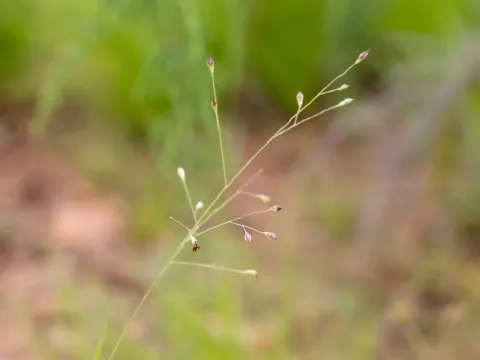
Panicum majusculum
Panicum majusculum
Panicum majusculum belongs to the Poaceae family. As a thermophilic crop, sowing must be performed only after the soil has warmed sufficiently, avoiding any risk of late spring frosts.
What the section contains
Panicum majusculum
The optimal sowing window typically occurs in late spring or early summer, when soil temperatures consistently reach +15°C to +18°C, ensuring rapid and uniform germination.
Proper seed placement is critical; seeds should be sown at a depth of 2 to 3 cm. Sowing deeper than recommended significantly delays emergence and leads to thinner plant stands.
Seeding rates generally range from 15 to 20 kg per hectare, depending on soil fertility and the availability of moisture in the specific growing region.
Using drills equipped with press wheels helps improve soil-to-seed contact, which is vital for quick moisture uptake in the early stages of plant development.
This species is well-adapted to a wide variety of soil types, but it thrives best on fertile loams and chernozems with a neutral soil pH level.
Being highly heliophilic, the plant requires maximum solar exposure to reach its genetic potential. Any shading during the vegetative stage results in decreased biomass production.
While the crop is relatively drought-tolerant once established, it requires adequate moisture during the critical stages of tillering and stem elongation to produce high yields.
Effective soil preparation, including nitrogen and phosphorus application, is recommended to support intensive growth and high nutrient content in the harvested material.
The crop does not tolerate acidic soil conditions well; therefore, liming is recommended if the soil pH drops below 6.0 to optimize nutrient uptake.
Yields of fresh biomass depend heavily on the timing of agricultural operations and the nutritional status of the soil throughout the growing season.
Under optimal conditions with sufficient irrigation, the crop is capable of producing multiple cuts per season, significantly increasing the total annual biomass output.
Average dry matter yields under intensive cultivation practices range from 6 to 10 tons per hectare, making it a viable option for efficient forage production.
The plant demonstrates a strong ability to recover quickly after mowing, allowing for high-frequency harvesting if the timing is managed correctly by the agronomist.
Maximizing yield requires monitoring the density of the stand; overcrowded fields may suffer from competition, while too sparse fields fail to capture sufficient solar energy.
Common agricultural pests such as wireworms and various grass flies can threaten seedling establishment, often necessitating the use of insecticidal seed treatments.
Fungal diseases like rust and leaf spots may develop during periods of high humidity and poor air circulation, reducing the quality of the harvested forage.
Root rot is often a symptom of poor crop rotation practices or waterlogged soil, which creates an environment conducive to pathogen proliferation.
Weed management is essential during the early weeks of growth, as the crop's slow initial development makes it susceptible to competition from fast-growing weeds.
Integrated pest management, including regular field scouting and the use of appropriate fungicides when necessary, is the best strategy to maintain crop health.
The optimal time for harvesting as fodder is the early heading stage, when the nutrient profile, particularly protein content, is at its peak for livestock nutrition.
When harvesting for hay, rapid drying is essential to maintain quality. Modern mowers with conditioners are recommended to shorten the field curing process.
Stubble height should be maintained at 7 to 10 cm to prevent damage to the growing points, which facilitates faster regrowth and better performance of subsequent cuts.
Seed harvesting should occur when the panicles reach maturity, usually indicated by a characteristic color change, while taking care to prevent grain shatter loss.
Post-harvest conditioning includes cleaning and drying the seeds to a moisture content of approximately 13-14% to ensure long-term viability and storage stability.